Biotin is one of the most hyped nutrients on supplement shelves, but not every bottle — or every dose — is created equal. Here's what the evidence actually says about forms, dosing, and who stands to benefit before you spend another dollar on hair-and-nail promises.
Why Biotin Still Dominates the Hair & Skin Supplement Conversation
Biotin, also known as vitamin B7, is a water-soluble nutrient that acts as a cofactor for enzymes involved in metabolizing fats, carbohydrates, and amino acids. Because it plays a direct role in keratin infrastructure, it has become the default recommendation for anyone chasing stronger nails, fuller-looking hair, and resilient skin.
The catch: true biotin deficiency is rare in people eating a varied diet, since it's found in eggs, nuts, seeds, and organ meats, and is also produced in small amounts by gut bacteria. Most supplement users aren't correcting a deficiency — they're supplementing preventively or in response to specific risk factors like pregnancy, certain medications, or restrictive diets. Understanding that distinction is the key to choosing a smart dose instead of an unnecessarily aggressive one.
Who Actually Benefits from Extra Biotin
- People with a confirmed or suspected biotin deficiency (rare, but can occur with prolonged raw egg white consumption due to avidin binding)
- Individuals on long-term anticonvulsant therapy, which can lower biotin status over time
- Pregnant and breastfeeding women, whose biotin turnover increases
- People with brittle nail syndrome, where clinical studies have used biotin specifically for nail thickness
- Those with genetic biotinidase deficiency, under physician supervision
- Anyone following very low-calorie, low-protein, or highly restrictive diets long-term
Biotin Forms: Does the Type in Your Bottle Matter?
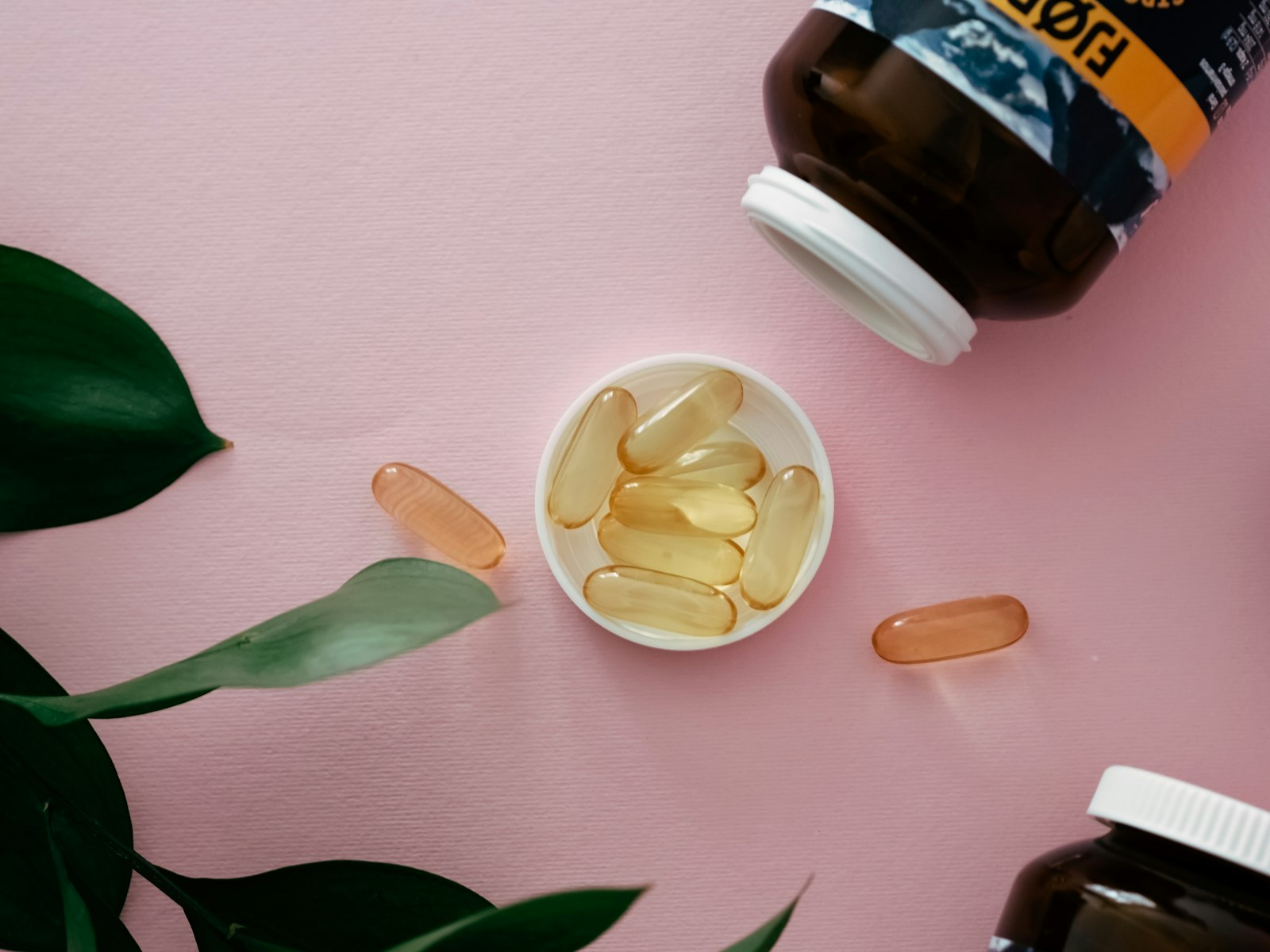
Nearly every biotin supplement on the market uses D-biotin, the naturally occurring and biologically active form. Unlike some other vitamins, there isn't a meaningful marketplace debate between D-biotin and synthetic analogs — this is one nutrient where form matters far less than dose and delivery.
What does matter is the vehicle: capsules and tablets are the most stable and precisely dosed, gummies are more palatable but often rely on binders and sugars that can affect potency and shelf life, and liquid drops offer flexible dosing but require careful storage. If you're combining biotin with collagen, zinc, or a full hair-skin-nails blend, check the supplement facts panel closely — blended formulas sometimes bury the actual biotin dose behind a flashy front label.
How Much Biotin Do You Actually Need?
The recommended adequate intake for biotin in adults is a modest 30 micrograms (mcg) per day — a number most people hit through diet alone. Yet commercial biotin supplements routinely range from 2,500 mcg to 10,000 mcg per serving, doses thousands of times above baseline need.
This isn't necessarily dangerous; biotin is water-soluble and excess is excreted in urine, and no tolerable upper intake level has been established. However, megadoses can interfere with certain lab tests, including thyroid panels and troponin (cardiac) tests, sometimes producing falsely abnormal or falsely normal results. If you take high-dose biotin, always tell your doctor before bloodwork and consider pausing supplementation for 48-72 hours beforehand.
| Dose Range | Best For | Consideration |
|---|---|---|
| 30-100 mcg | General dietary insurance | Matches natural intake; minimal risk of lab interference |
| 500-2,500 mcg | Entry-level hair/nail support | Common in daily multivitamins and gentle formulas |
| 3,000-5,000 mcg | Standard hair, skin & nails supplements | Most popular commercial range; moderate lab-test caution advised |
| 7,500-10,000 mcg | High-potency or clinical-style dosing | Highest lab interference risk; discuss timing with your physician |
What to Look for on the Label
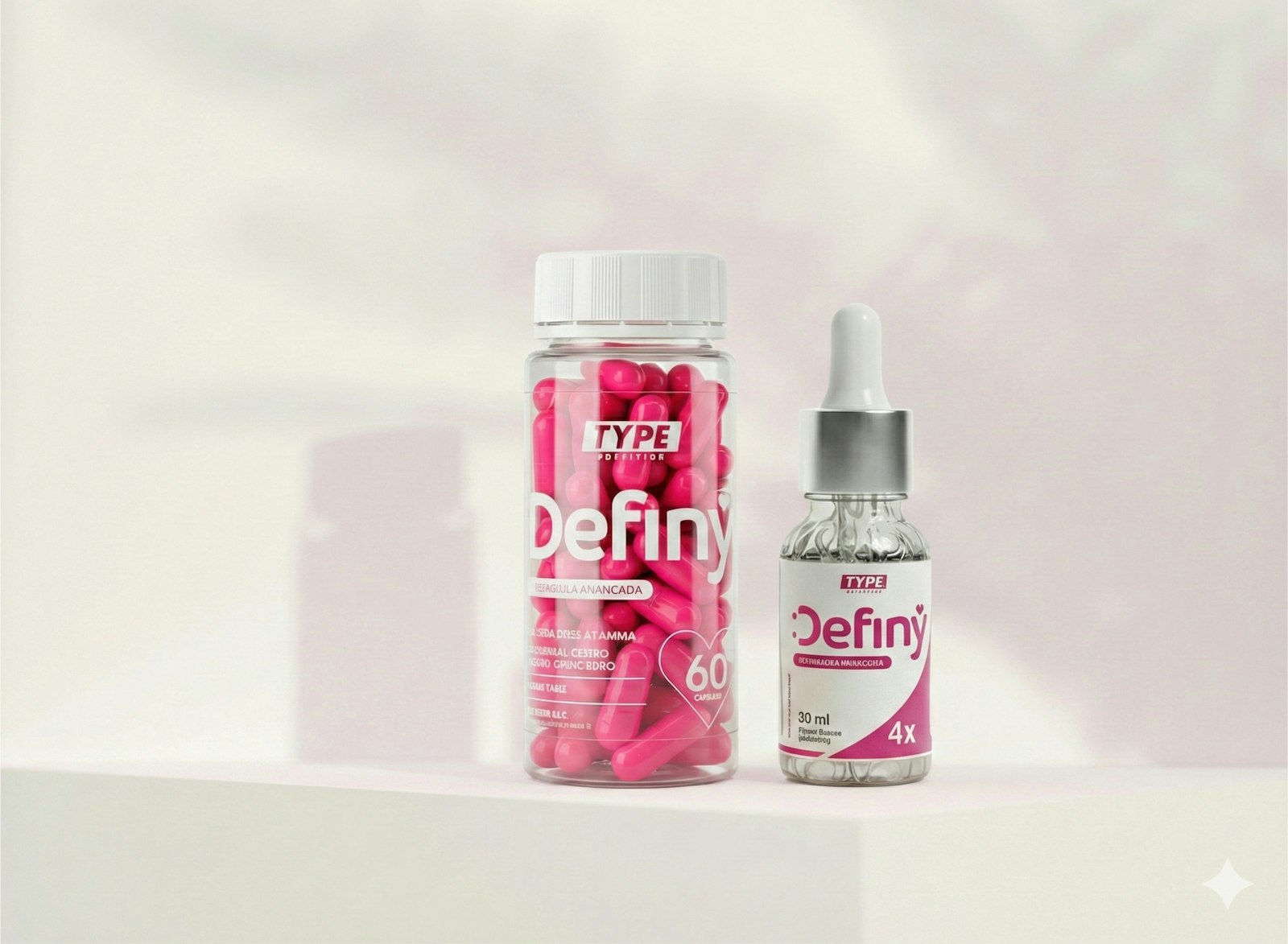
- Third-party testing (USP, NSF, or Informed Choice seals) to confirm potency matches the label claim
- Minimal filler ingredients if you're sensitive to artificial dyes, sugar alcohols, or common allergens
- Clear mcg dosing rather than vague '% Daily Value' claims buried in a proprietary blend
- Complementary nutrients like zinc, biotin-friendly collagen peptides, or vitamin E if you want a broader beauty-from-within formula
- Manufacturing transparency — GMP-certified facilities and batch testing documentation available on request
Shop High-Potency Biotin Capsules
Look for 5,000 mcg capsules with third-party testing verification — the sweet spot most reviewers and dermatology-adjacent buyers gravitate toward for visible nail and hair support.
Check Prices on Amazon →Try a Vegan, Non-GMO Biotin Formula
iHerb carries a deep bench of allergen-free, non-GMO biotin capsules and softgels, ideal if you're avoiding gelatin, soy, or synthetic fillers common in mass-market gummy brands.
Browse iHerb Biotin →Biotin Gummies vs. Capsules: The Real Trade-Off
Gummies have become the default entry point for biotin, largely because they taste good and remove the swallowing barrier. But that convenience comes with trade-offs: gummies typically use lower per-serving doses to keep sugar and citric acid content manageable, they're more prone to potency degradation from heat and humidity, and multiple gummies are sometimes required to hit label-stated doses, tempting overconsumption.
Capsules and tablets, by contrast, hold potency more reliably over their shelf life and allow manufacturers to hit precise, higher doses without the flavor and stability compromises gummies require. If you're results-driven and dosing-conscious, capsules remain the more defensible choice. If adherence is your biggest obstacle, a reputable gummy brand with third-party verification is a legitimate compromise.
Realistic Expectations and Timeline
Hair and nail cells grow slowly, so no biotin formula — regardless of dose or brand — will produce visible change in days or even a couple of weeks. Clinical research on nail brittleness generally used supplementation periods of several months before assessing improvement. A fair trial for hair or nail changes is typically 3 to 6 months of consistent daily use, paired with adequate protein intake, since keratin production also depends heavily on amino acid availability, not biotin alone.
If you see zero change after a genuine 4-6 month trial, the issue is more likely rooted in thyroid function, iron status, protein intake, or an unrelated dermatological condition — worth raising with a healthcare provider rather than simply escalating your biotin dose.
Confirm Your Nutrient Status Before You Supplement
Before committing to months of high-dose biotin, consider baseline bloodwork to rule out thyroid, iron, or protein-related causes of hair and nail concerns — Healthrx offers accessible at-home and lab testing options.
Explore Healthrx Testing →Compare Everyday Biotin Multivitamins
If you want broad-spectrum coverage rather than a single-nutrient megadose, a daily multivitamin with biotin included alongside zinc and B-complex vitamins is a sensible, cost-effective starting point.
Shop Multivitamins on Amazon →From across the network
More from the network on related topics: TestBoostLab · BioOverride · TrainLikeAlpha.