Fish oil is one of the most researched supplements on shelves today, yet most bottles sold are underdosed, poorly absorbed, or oxidized before you even open them. Here's how to cut through the noise and choose a fish oil that's actually worth taking in 2026.
Why Fish Oil Still Matters in 2026
Despite a crowded field of trendy nootropics and adaptogens, fish oil remains one of the most rigorously studied supplements on the market. The omega-3 fatty acids EPA and DHA support cardiovascular health, cognitive function, joint comfort, and healthy inflammatory response — benefits that most people simply don't get enough of from diet alone.
The catch is that not all fish oil is created equal. Oxidation, low potency, poor bioavailability, and sketchy sourcing plague budget products. This guide breaks down what actually separates a premium fish oil from filler, and which formats are worth your money.
Forms of Fish Oil: Triglyceride vs. Ethyl Ester vs. Phospholipid
The molecular form of your fish oil affects how well your body absorbs it. Triglyceride (TG) form is the natural structure found in fish and is generally absorbed better than synthetic ethyl ester (EE) oils, which are cheaper to produce but require an extra digestive step. Re-esterified triglyceride (rTG) oil takes concentrated EE oil and converts it back to triglyceride form, combining higher potency with better absorption.
Krill oil delivers omega-3s bound to phospholipids, which some research suggests may enhance absorption at lower doses, though krill products typically cost more per milligram of EPA/DHA than fish oil.
- Triglyceride (TG) — naturally occurring, solid absorption
- Ethyl Ester (EE) — cheaper, lower absorption, common in budget brands
- Re-esterified TG (rTG) — high potency plus strong absorption
- Phospholipid (krill) — well-absorbed, pricier per milligram

How Much EPA/DHA Do You Actually Need?
General wellness dosing typically falls between 250–500mg combined EPA/DHA daily, while those targeting cardiovascular, joint, or mood support often use 1,000–2,000mg. Always check the label for total EPA+DHA content, not just total fish oil weight — a 1,000mg capsule might only contain 300mg of active omega-3s if it's a low-concentration formula.
- General maintenance: 250–500mg EPA+DHA/day
- Cardiovascular or joint support: 1,000–2,000mg EPA+DHA/day
- Look for a ratio disclosure, not just 'fish oil 1000mg' on the label
Who Should Prioritize a High-Quality Fish Oil
Certain groups tend to benefit most from a dedicated, high-potency omega-3 supplement rather than relying on dietary intake alone.
- People who eat fatty fish (salmon, mackerel, sardines) fewer than 2x per week
- Anyone managing joint stiffness, dry eyes, or skin barrier concerns
- Individuals focused on cardiovascular or triglyceride support
- Those on plant-based diets seeking algae-based DHA/EPA alternatives
- Active adults and athletes managing exercise-related inflammation
Shop High-Potency Triglyceride Fish Oil
Look for third-party tested, triglyceride-form softgels delivering 1,000mg+ EPA/DHA per serving with minimal fishy aftertaste.
Check Price on Amazon →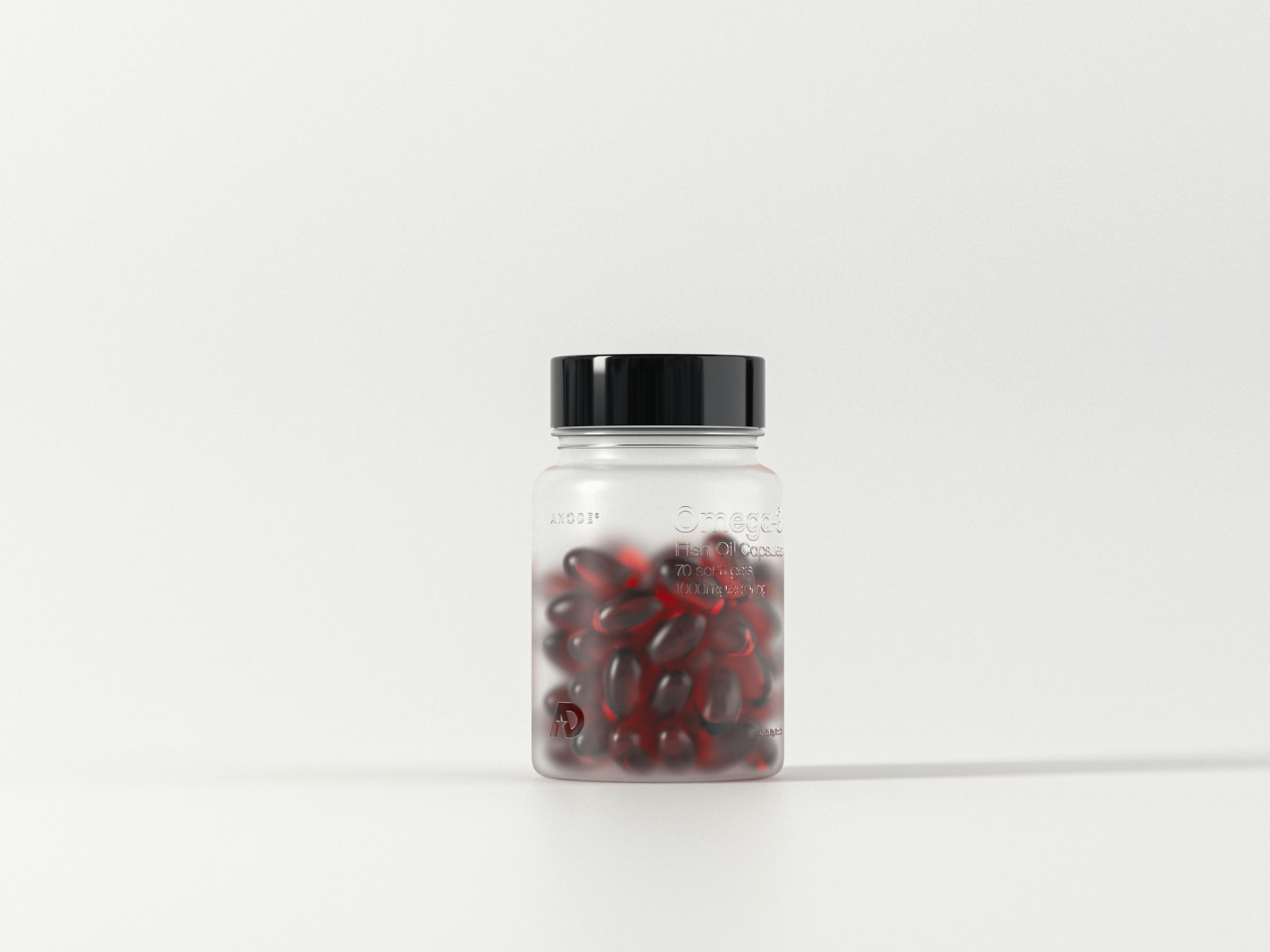
Purity and Sourcing: What to Check Before You Buy
Fish oil quality hinges on sourcing and processing. Molecular distillation removes heavy metals like mercury and PCBs, and third-party testing (look for IFOS or USP verification) confirms potency and purity claims match the label. Freshness matters too — oxidized fish oil not only smells and tastes worse, it may deliver fewer of the benefits you're paying for.
Sustainably sourced options (MSC-certified or wild-caught small fish like anchovies and sardines) tend to carry lower contaminant loads than large predatory fish oils, since toxins biomagnify up the food chain.
Explore Molecularly Distilled Fish Oil on iHerb
iHerb carries a wide selection of purity-tested, sustainably sourced fish oil and krill oil formulas with transparent EPA/DHA labeling.
Shop iHerb Omega-3s →| Format | Best For | Absorption | Typical Cost |
|---|---|---|---|
| Standard Triglyceride Softgel | Everyday wellness use | Good | $ |
| Re-esterified Triglyceride (rTG) | High-dose cardiovascular/joint support | Very Good | $$$ |
| Krill Oil (Phospholipid) | Lower-dose users, sensitive stomachs | Very Good | $$$ |
| Algae-Based DHA/EPA | Plant-based or vegan diets | Good | $$ |
| Liquid Fish Oil | Higher doses without multiple capsules | Good | $$ |
Top Fish Oil Categories Worth Your Consideration
Rather than chasing a single 'best' bottle, match the format to your goal. High-dose rTG softgels suit those targeting cardiovascular markers; krill oil suits those wanting lower-volume dosing; algae oil suits vegans and vegetarians; and standard triglyceride softgels remain the reliable, budget-friendly default for daily maintenance.
Vegan? Try Algae-Sourced DHA/EPA
Algae oil delivers the same EPA and DHA found in fish oil without the marine sourcing — a clean option for plant-based households.
Browse Algae Omega-3 on Amazon →Storage, Timing, and Getting the Most From Your Supplement
Keep fish oil refrigerated once opened to slow oxidation, and take it with a meal containing fat to improve absorption. If burping or fishy aftertaste is an issue, enteric-coated softgels or freezing capsules before taking them can help. Give any new omega-3 routine at least 8–12 weeks before expecting to notice changes in joint comfort, mood, or lab markers — these are cumulative, not immediate effects.
Try Antarctic Krill Oil for Lower-Dose Absorption
Phospholipid-bound omega-3s from krill oil offer strong bioavailability at lower milligram doses, often with less fishy repeat.
Shop Krill Oil on Amazon →From across the network
More from the network on related topics: TestBoostLab · BioOverride · TrainLikeAlpha.