Greens powders promise a shortcut to better nutrition in a single scoop, but the category is full of proprietary blends and inflated claims. Here's what the science actually supports, how to spot a quality formula, and which products deserve a spot on your counter in 2026.
What Greens Powders Actually Do — and Don't
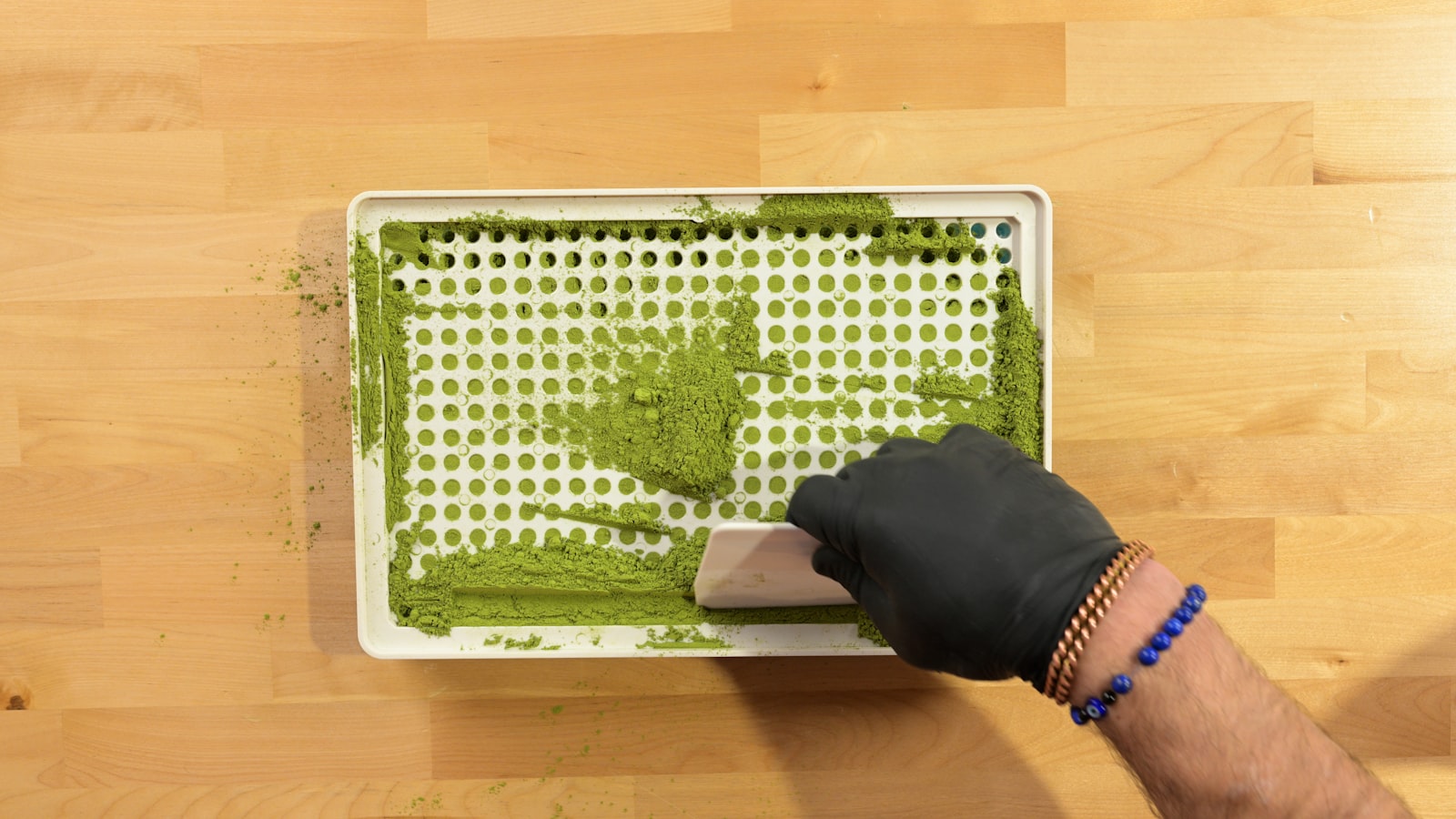
Greens powders are concentrated blends of dehydrated vegetables, algae (like spirulina and chlorella), grasses (wheatgrass, barley grass), and often added probiotics, digestive enzymes, and adaptogenic herbs. The pitch is simple: pack a serving of micronutrients and phytonutrients into one scoop for people who don't consistently eat 5-9 servings of vegetables a day.
The honest answer is that a greens powder is a nutritional insurance policy, not a replacement for real produce. Whole vegetables deliver fiber, water content, and a food matrix that supplements can't fully replicate. But for travel days, busy mornings, or picky eaters, a well-formulated greens powder can meaningfully close the gap between what you eat and what you should eat.
- Concentrated source of vitamins A, C, K, and folate from dehydrated vegetables
- Chlorophyll-rich ingredients (wheatgrass, chlorella, spirulina) linked to antioxidant support
- Often fortified with probiotics or digestive enzymes for gut comfort
- Convenient way to add phytonutrient diversity without meal prep
Who Actually Benefits From One
Not everyone needs a greens powder, and that's worth saying plainly. If you already eat a colorful, vegetable-forward diet, a scoop of greens is a nice-to-have, not a necessity. But several groups tend to see real, practical value.
Frequent travelers, shift workers, and anyone whose schedule makes fresh produce inconsistent are the clearest beneficiaries. So are people rebuilding healthier habits who want a low-friction way to feel like they're 'doing something' nutritionally while they work on bigger dietary changes.
- People who routinely skip vegetables at breakfast or lunch
- Travelers and shift workers without reliable access to fresh produce
- Anyone recovering from a period of poor eating who wants a simple daily anchor habit
- Athletes wanting extra antioxidant and micronutrient support around training
How to Judge Quality: Read the Label Like a Pro
The greens powder category is crowded with proprietary blends that hide exact dosages behind a wall of trademarked ingredient names. That makes label literacy essential before you spend money.
Look for third-party testing (NSF Certified for Sport or Informed Choice are strong signals), a transparent amino acid/nutrient breakdown rather than a single 'proprietary blend' number, and minimal added sugar. Added fillers like maltodextrin or excessive natural flavors are red flags in a product marketed as a whole-food supplement.
- Third-party tested for heavy metals and banned substances
- Full ingredient transparency, not just a blanket 'greens blend' weight
- Low or no added sugar; sweetened naturally with stevia or monk fruit if at all
- Includes both greens (chlorophyll sources) and reds (antioxidant-rich fruit/berry extracts) for broader coverage
| Feature | Basic Greens Powder | Premium Greens Powder |
|---|---|---|
| Ingredient transparency | Proprietary blend only | Full per-ingredient dosing |
| Third-party testing | Rare | NSF or Informed Choice certified |
| Added sugar | Often present | None or trace, naturally sweetened |
| Probiotics/enzymes | Sometimes included | Standard inclusion |
| Price per serving | Lower | Higher, reflects sourcing and testing |
The Case For: Real, Evidence-Aligned Benefits
Vegetables are rich in polyphenols, carotenoids, and fiber compounds tied to reduced inflammation and better metabolic markers in population studies. Dehydrating and powdering vegetables retains many of these micronutrients, even if some heat-sensitive compounds and virtually all the fiber are diminished in the process.
Chlorophyll-rich ingredients like spirulina and chlorella have documented antioxidant properties, and probiotic-fortified blends may support digestive regularity for people who don't otherwise consume fermented foods. For most healthy adults, a daily greens powder is a low-risk way to nudge micronutrient intake upward.
The Case Against: What Greens Powders Won't Fix
Greens powders are not a substitute for fiber. A cup of raw spinach delivers meaningful bulk and water content; a scoop of dehydrated greens powder, no matter how concentrated, delivers a fraction of that fiber load. If your goal is digestive regularity or satiety, whole vegetables still win decisively.
They're also not a fix for a genuinely poor diet. No amount of greens powder offsets a diet heavy in ultra-processed food, and marketing claims about detoxification or dramatic energy boosts are not well supported by rigorous evidence. Treat greens powders as a supplement to good habits, not a shortcut around them.
Shop Top-Rated Greens Powders
Compare best-selling greens powders with transparent labels, third-party testing, and real customer reviews before you commit to a tub.
View Options on Amazon →Timing, Mixing, and Dosage Tips
Most greens powders recommend one scoop (roughly 6-10 grams) mixed into 8-12 ounces of water, juice, or a smoothie. Morning is the most common timing simply because it's the easiest habit to anchor, but there's no metabolic reason it must be taken then — consistency matters more than timing.
If you're new to greens powders, start with a half scoop for the first few days. Some formulas, especially those with high fiber or probiotic content, can cause mild bloating as your gut adjusts. Blending with a frozen banana or berries also masks the grassy taste that turns many first-time users off.
- Start with half a serving for 3-5 days to assess tolerance
- Mix into cold liquid; heat can degrade some heat-sensitive nutrients and probiotics
- Pair with a source of vitamin C (citrus, berries) to support iron absorption from plant sources
- Store in a cool, dry place — humidity accelerates degradation of live probiotic strains
Explore Clean-Label Superfood Greens
iHerb carries a wide range of greens and superfood blends with clear ingredient panels, competitive pricing, and options for sensitive stomachs.
Shop iHerb Greens →Greens Powders vs. Multivitamins: Do You Need Both
Greens powders and multivitamins serve different purposes and aren't interchangeable. Multivitamins typically deliver standardized doses of specific vitamins and minerals to prevent deficiency. Greens powders deliver a broader, less standardized spectrum of phytonutrients from whole-food sources, often at lower individual nutrient doses.
Many people reasonably use both: a multivitamin to cover baseline micronutrient needs with known dosing, and a greens powder for the additional phytonutrient diversity that isolated vitamins don't provide. If budget forces a choice, prioritize whichever addresses your actual dietary gap — vegetables for greens powder, or documented deficiencies for a multivitamin.
Build a Smarter Daily Stack
Pair a quality greens powder with foundational vitamins and minerals for complete, evidence-based daily coverage.
Shop Daily Essentials →From across the network
More from the network on related topics: TestBoostLab · BioOverride · TrainLikeAlpha.