Marine collagen has become the go-to choice for skin, joint, and hair support—but not all peptides are created equal. Here's what the evidence actually says about forms, dosing, and which products are worth your money in 2026.
Why Marine Collagen Is Having a Moment
Collagen is the structural protein that keeps skin firm, joints cushioned, and hair and nails resilient. Your body's natural production slopes downward starting in your mid-20s, and the decline accelerates after menopause and with sun exposure, smoking, and high sugar intake. Supplementing with hydrolyzed collagen peptides is one of the few nutrition interventions with a reasonable body of clinical support for skin elasticity, hydration, and joint comfort.
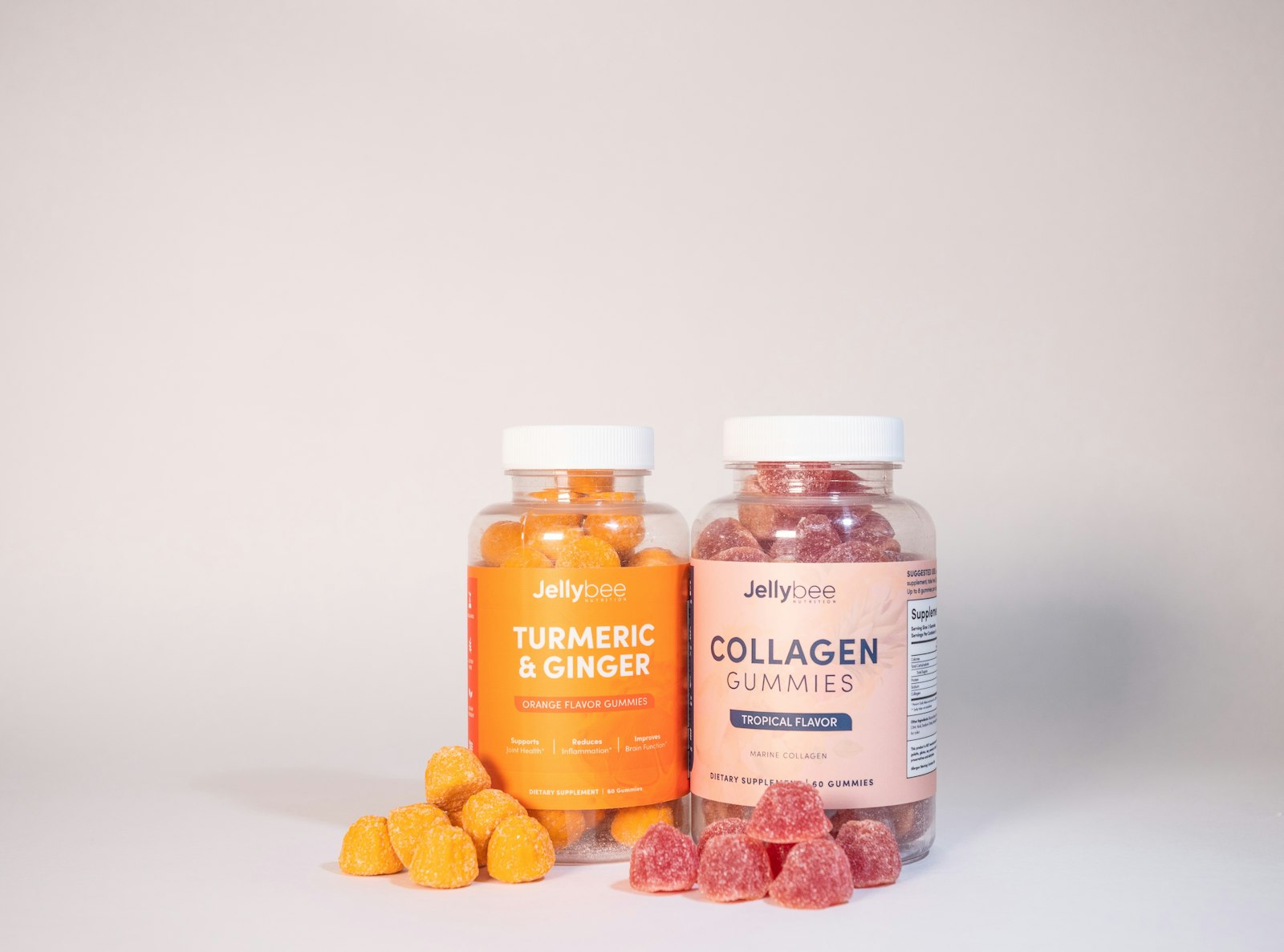
Marine collagen — sourced from fish skin and scales rather than bovine hide or porcine cartilage — has become the premium choice for a few practical reasons. Its peptides are predominantly Type I collagen, the same type that dominates skin, hair, nails, and bone, so it's a strong match for beauty-and-aging goals specifically. It also tends to have a smaller average peptide size, which manufacturers argue improves absorption, and it dissolves cleanly in liquids without the fishy taste or cloudiness some early-generation products had.
Marine vs. Bovine vs. Multi-Collagen: What Actually Differs
All hydrolyzed collagen is broken down into peptides small enough to survive digestion and enter the bloodstream, where the body redistributes the amino acids to wherever collagen synthesis is happening. The type of source animal changes the ratio of Type I, II, and III collagen you're getting, and that matters more for targeting than most marketing admits.
Marine and bovine collagen are both collagen-Type-I dominant and largely interchangeable for skin, hair, and nail goals. Bovine collagen typically also carries some Type III, which is found alongside Type I in skin and blood vessels. Chicken-sourced collagen contains Type II, the cartilage-specific type, which is why joint-focused formulas often blend in chicken collagen or undenatured Type II collagen rather than relying on marine alone. If joint cartilage support is your primary goal, a multi-collagen blend or a dedicated Type II product may outperform marine collagen used by itself.
Who Actually Benefits From Marine Collagen
- Adults over 30 noticing early signs of skin laxity, fine lines, or slower wound healing
- Postmenopausal women, since estrogen decline accelerates collagen loss by up to roughly 1-2% per year
- Endurance and strength athletes managing tendon and ligament load, often paired with vitamin C for synthesis support
- People with brittle nails or thinning hair not explained by a diagnosed deficiency
- Anyone wanting a pescatarian-friendly collagen option, since marine sourcing avoids bovine and porcine material entirely
Dosing: What the Research Actually Supports
Clinical trials on hydrolyzed collagen for skin outcomes have generally used daily doses between 2.5 and 10 grams for periods of 8 to 12 weeks before measuring elasticity, hydration, or wrinkle depth. Joint-focused studies tend to use similar ranges, sometimes higher, over similar or longer timeframes. There isn't strong evidence that megadosing past 10-15 grams daily produces proportionally better results — consistency over weeks matters more than the size of any single dose.
Because collagen synthesis requires vitamin C as a cofactor, look for either a formula that includes it or plan to take your collagen alongside a vitamin C-containing food or supplement. Taking collagen on an empty stomach isn't required, but avoiding it alongside heavy competing protein loads may modestly improve amino acid uptake.
| Format | Typical Dose | Best For | Consideration |
|---|---|---|---|
| Unflavored powder | 5-10 g/scoop | Coffee, smoothies, daily stacking | Dissolves best in warm liquid |
| Flavored powder/drink mix | 2.5-10 g/serving | Convenience, taste-sensitive users | Check added sugar content |
| Capsules/tablets | 1-3 g per few capsules | Travel, simple routines | Often requires more pills for equivalent dose |
| Liquid collagen shots | 5-10 g/shot | Fast daily habit, on-the-go | Pricier per gram than powder |
How We Ranked These Picks
We prioritized products with hydrolyzed, low-molecular-weight marine peptides, transparent sourcing (wild-caught fish skin/scale is generally considered more sustainable and traceable than mixed marine byproduct), third-party testing where disclosed, and a clean label free of unnecessary fillers. We also weighted real-world usability — taste, solubility, and whether a realistic daily dose fits into an actual routine — over flashy claims.
Shop Top-Rated Marine Collagen Peptides
Compare bestselling hydrolyzed marine collagen powders with verified buyer reviews, transparent sourcing, and flexible pack sizes to find your fit.
Shop Marine Collagen on Amazon →Best For: Skin & Anti-Aging Focus
If your primary goal is skin hydration, elasticity, and fine-line support, look for unflavored or lightly flavored marine collagen delivering 5-10 grams per serving, ideally paired with vitamin C, biotin, or hyaluronic acid in the same formula. Give any product a full 8-12 week trial before judging results, since visible skin changes lag behind biochemical changes in collagen turnover.
Explore Marine Collagen With Added Vitamin C & Biotin
iHerb carries a wide range of marine collagen formulas from globally sourced beauty-and-wellness brands, many third-party tested and priced competitively per serving.
Browse Marine Collagen on iHerb →Best For: Joint Comfort & Active Lifestyles
Marine collagen alone leans Type I, so if joint cartilage is your main concern, prioritize a multi-collagen or Type I/II blend, or stack marine collagen with a dedicated joint-support formula containing glucosamine, chondroitin, or undenatured Type II collagen. Pairing with resistance training and adequate protein intake amplifies the connective-tissue benefits more than supplementation alone.
Support Joints and Recovery With Targeted Collagen Stacks
SystemLabs offers collagen and joint-support formulations built for active adults managing training load, recovery, and long-term mobility.
Shop Joint Support at SystemLabs →Best For: Convenience & On-the-Go Dosing
Not everyone wants to measure a scoop into coffee every morning. Single-serve sachets, pre-mixed liquid shots, and capsule formats trade a bit of cost-efficiency for consistency — and consistency is the variable that actually predicts results with collagen supplementation. If you've abandoned powder tubs in the past, a grab-and-go format may be the difference between a supplement that works and one that sits in the cabinet.
Find Single-Serve Marine Collagen Sachets & Capsules
Skip the scoop-and-mix routine with travel-friendly marine collagen sachets and capsules designed for consistent daily use.
Shop Convenient Marine Collagen →Label-Reading Checklist Before You Buy
- Hydrolyzed marine collagen peptides listed as the first or primary ingredient
- Disclosed dose per serving (5-10 g is a reasonable evidence-aligned target)
- Sourcing transparency: wild-caught vs. farmed, and country of origin
- Third-party testing or certification disclosed on the label or brand site
- No unnecessary added sugars if you're taking it daily long-term
- Added vitamin C or a plan to pair it with a vitamin C source
The Bottom Line
Marine collagen is a well-supported, pescatarian-friendly way to support skin, hair, nail, and connective-tissue health, particularly when taken consistently at 5-10 grams daily for at least 8-12 weeks. It's not a substitute for sunscreen, resistance training, or a protein-adequate diet, but as a layered addition to a solid routine, it's one of the more evidence-backed supplements on the market heading into 2026. Match the format to your lifestyle, match the collagen type to your goal, and give it the time it actually needs to work.
From across the network
More from the network on related topics: TestBoostLab · BioOverride · TrainLikeAlpha.