Walk down any supplement aisle in 2026 and you'll face dozens of tubs promising "premium" protein, "clinically studied" formulas, and "next-gen" amino blends. Most of that language is noise. What actually matters is the protein source, how it's processed, what's tested for purity, and whether it fits your body and your goal. This guide cuts through the marketing to show you exactly what to look for — and which formats work best for muscle building, weight management, digestive sensitivity, and plant-based lifestyles.
Why Protein Source Matters More Than the Label Says
Not all protein is created equal. The source determines its amino acid profile, how quickly your body absorbs it, and how well it supports muscle protein synthesis — the biological process that repairs and builds muscle tissue after training. A powder can list an impressive gram count per scoop and still fall short if the amino acid spectrum is incomplete or the protein is diluted with fillers.
The three markers that matter most are: complete essential amino acid profile (especially leucine content, which triggers muscle protein synthesis), digestibility, and third-party purity testing. Everything else — flavor systems, mixability claims, packaging — is secondary.
Whey Protein: The Gold Standard for Muscle Building
Whey protein isolate and concentrate remain the most researched protein supplements available. Whey is a complete protein containing all nine essential amino acids, is rapidly absorbed, and delivers a high concentration of leucine — the specific amino acid most responsible for kickstarting muscle repair after resistance training.
Whey protein isolate undergoes additional filtration to strip out most lactose and fat, making it a smart choice if you're sensitive to dairy sugars but still want the fastest-absorbing option. Whey concentrate retains slightly more lactose and fat but is often more affordable and just as effective for most people.
- Best for: post-workout recovery, lean muscle building, athletes with no dairy sensitivity
- Look for: whey protein isolate or hydrolyzed whey as the first ingredient
- Typical protein yield: roughly 24-30g per scoop with minimal added sugar
Casein: The Slow-Release Alternative
Casein is also a dairy-derived complete protein, but it digests far more slowly than whey — forming a gel-like substance in the stomach that releases amino acids over several hours. This makes casein a popular choice before bed, when you want a steady trickle of amino acids to support overnight muscle recovery rather than a rapid spike.
Shop Top-Rated Whey Protein Isolate
Compare grams of protein per scoop, leucine content, and third-party testing certifications across leading whey isolate formulas.
Compare Whey Isolate Options →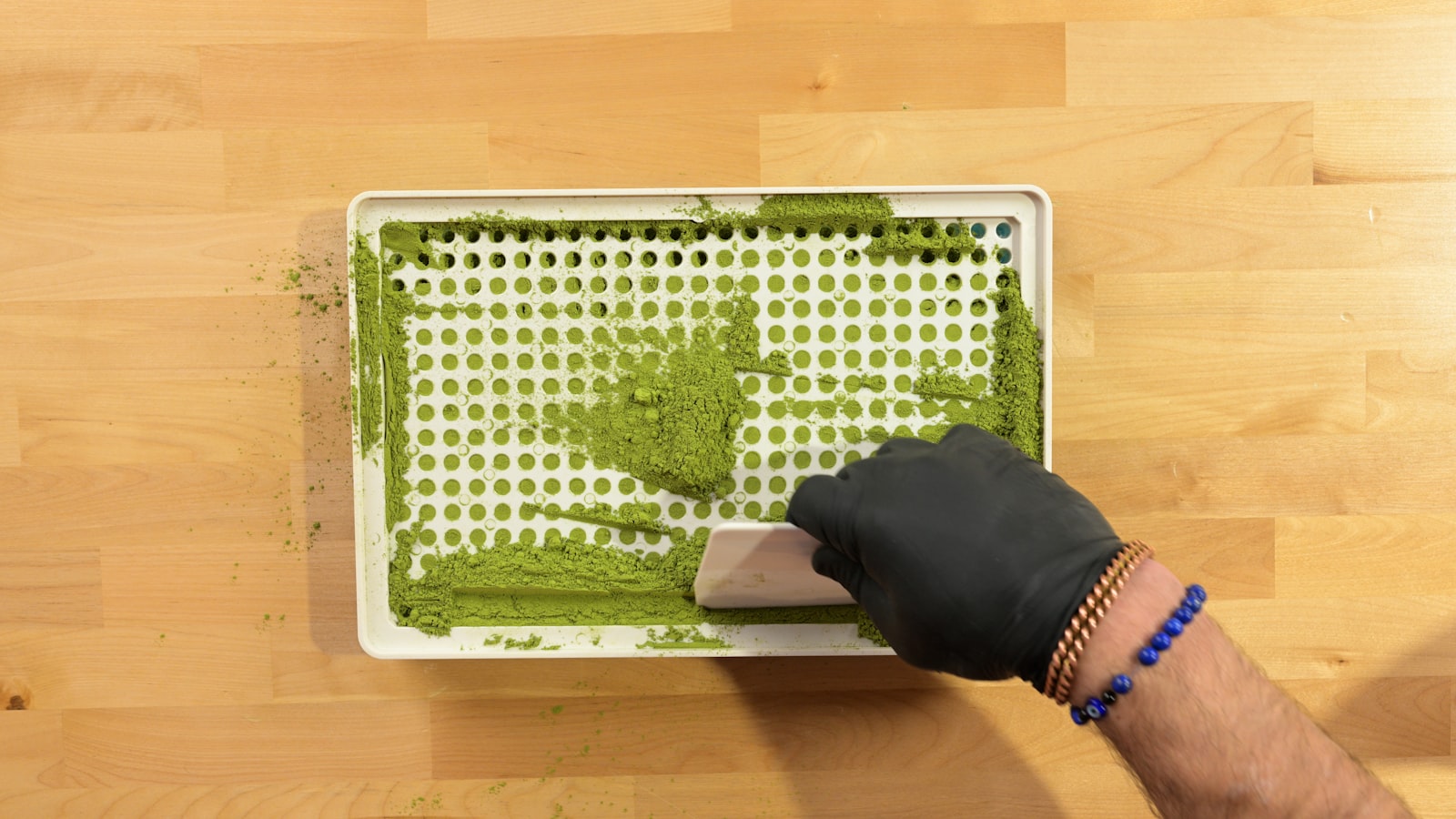
Plant-Based Protein: Closing the Amino Acid Gap
Plant proteins have improved dramatically. The old criticism — that single plant sources like pea or rice protein are 'incomplete' — is largely solved by blending. A well-formulated plant protein combines pea protein (rich in lysine) with rice or hemp protein (which fills in methionine and cysteine gaps), producing an amino acid profile that rivals whey.
Plant protein is the clear choice if you're vegan, lactose intolerant, or simply prefer to avoid dairy. The tradeoff is usually a slightly grittier texture and a marginally lower leucine content per serving, which some people offset by taking a slightly larger scoop or adding a leucine-rich food alongside it.
- Best for: vegans, lactose-intolerant individuals, anyone avoiding dairy-based inflammation triggers
- Look for: multi-source blends (pea + rice + hemp) rather than single-source pea protein alone
- Watch for: added gums or fillers used to mask chalky texture — check the ingredient list length
Quality Markers That Separate Premium Powders From Fillers
Before adding any protein powder to your cart, run it through this checklist. These are the same markers registered dietitians and sports nutritionists use to evaluate supplement quality.
- Third-party testing: Look for NSF Certified for Sport or Informed-Choice/Informed-Sport seals, especially if you're a competitive athlete
- Protein-to-calorie ratio: A quality scoop should deliver 20g+ protein without excessive added sugars or fats padding the calorie count
- Ingredient list length: Shorter is usually better — added gums, artificial sweeteners in excess, and proprietary 'blends' can hide low actual protein content
- Heavy metal testing: Look for brands that publish or reference independent lab testing, particularly important for plant proteins grown in soil that may contain trace contaminants
- Third ingredient rule: Check what's listed after the protein source and sweetener — if it's a long list of gums and fillers, the quality drops
| Goal | Best Protein Type | Why It Works |
|---|---|---|
| Muscle building & recovery | Whey isolate or hydrolyzed whey | Fast absorption, high leucine, complete amino profile |
| Overnight recovery / meal replacement | Micellar casein | Slow-release aminos over several hours |
| Vegan or dairy-free lifestyle | Pea + rice + hemp blend | Combines amino profiles for completeness |
| Sensitive stomach / bloating | Whey isolate or fermented plant protein | Lower lactose, easier digestion |
| Weight management | Whey or plant isolate, unsweetened | High satiety, low added sugar per serving |
Explore Clean Plant-Based Protein Blends
Find multi-source vegan protein powders with transparent ingredient labels and no unnecessary fillers, sourced from trusted global brands.
Browse Plant Protein at iHerb →
How Much Protein Do You Actually Need?
General guidance from sports nutrition research suggests active individuals benefit from roughly 0.7 to 1 gram of protein per pound of bodyweight daily, spread across meals. Protein powder is a convenient tool to hit that target — not a replacement for whole-food protein sources like eggs, poultry, fish, and legumes.
Timing matters less than total daily intake, but consuming 20-40g of high-quality protein within a couple hours of training does appear to optimize the muscle-building response, according to widely cited resistance-training research.
Red Flags to Avoid When Shopping
Steer clear of powders that lead with 'proprietary blend' labeling without disclosing individual ingredient amounts — this is a common way to hide low-quality fillers behind trendy-sounding ingredients. Also be cautious of powders relying heavily on artificial sweeteners stacked three or four deep, or protein powders marketed with unrealistic promises like rapid fat loss purely from the shake itself.
Shop Vegan Protein Powder Blends
Discover pea, rice, and hemp protein combinations with complete amino acid profiles and minimal added ingredients.
Shop Plant-Based Protein →The Bottom Line
There's no single 'best' protein powder — only the best protein for your specific goal, digestion, and dietary preference. Whey isolate remains unmatched for fast post-workout absorption and muscle-building signaling. Casein shines for slow overnight release. Well-blended plant proteins have closed the gap enough that dietary restrictions no longer mean sacrificing quality. Whatever you choose, prioritize third-party testing, a clean ingredient list, and a protein-to-calorie ratio that actually supports your goal rather than just tasting good.
From across the network
More from the network on related topics: TestBoostLab · BioOverride · TrainLikeAlpha.