Fatigue, brain fog, and tingling hands aren't just "getting older" — they can signal a B12 deficiency that's easier to fix than you think. Here's how to choose the right form, dose, and brand in 2026.
Why B12 Deserves Your Attention
Vitamin B12 (cobalamin) is the workhorse vitamin behind red blood cell formation, neurological function, and DNA synthesis. Unlike fat-soluble vitamins, B12 is water-soluble, meaning your body doesn't store large reserves indefinitely — deficiency can creep up over years, especially in people over 50, vegans and vegetarians, and anyone on metformin or long-term acid-reducing medications.
The tricky part is that B12 deficiency symptoms — fatigue, brain fog, tingling in the hands and feet, mood changes — overlap with a dozen other conditions. That's why choosing the right supplement, form, and dose matters more than most people realize. This guide ranks the best options for 2026 based on bioavailability, third-party testing, and real-world usability.
Understanding the Forms of B12
Not all B12 supplements are created equal. The form of cobalamin used can significantly affect absorption, especially for people with genetic variants (like MTHFR) or digestive issues that impair conversion.
- Cyanocobalamin — the most common, cheapest, and most stable form; must be converted by the body into active forms
- Methylcobalamin — a bioactive form that's ready to use immediately in nerve and blood cell function; often preferred by practitioners
- Adenosylcobalamin — the active form used in mitochondrial energy metabolism; less common but valuable in combination formulas
- Hydroxocobalamin — frequently used in injectable form; slower-releasing and long-lasting in the bloodstream
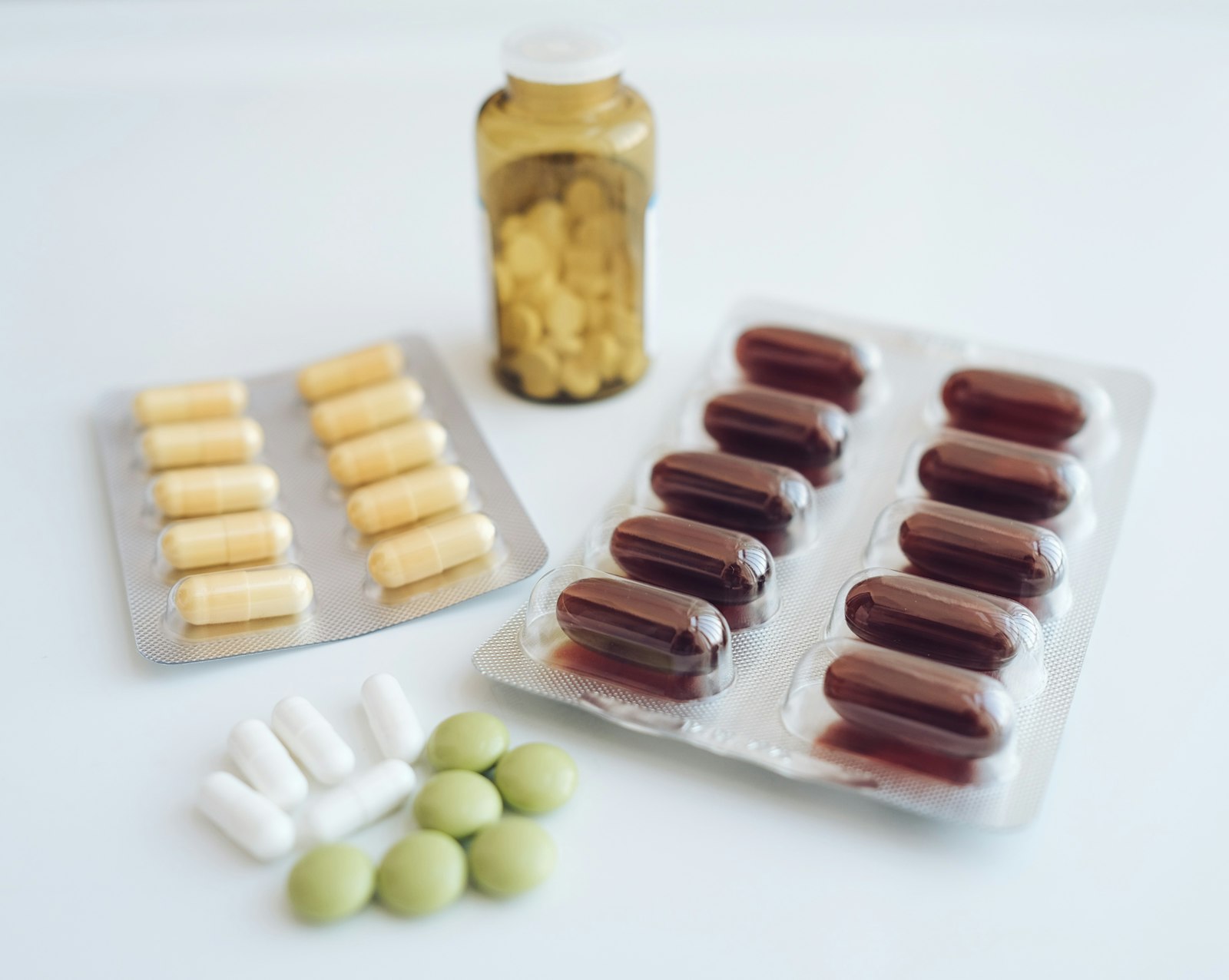
Which Form Should You Choose?
For most healthy adults, methylcobalamin offers the best balance of bioavailability and value. If you have absorption concerns (pernicious anemia, gastric bypass history, or age-related low stomach acid), sublingual or high-dose oral methylcobalamin tends to outperform standard cyanocobalamin tablets in real-world absorption studies.
Who Actually Needs a B12 Supplement
B12 deficiency isn't rare — it's simply underdiagnosed. Certain groups face meaningfully higher risk and should consider regular supplementation or periodic blood testing.
- Vegans and vegetarians — B12 is naturally found almost exclusively in animal products
- Adults over 50 — natural stomach acid decline reduces B12 absorption from food
- Metformin users — this common diabetes medication is known to lower B12 levels over time
- People on long-term PPIs or acid reducers — reduced stomach acid impairs B12 release from protein
- Anyone with a diagnosed autoimmune condition affecting the gut, such as Crohn's or celiac disease
How Much B12 Do You Actually Need?
The recommended dietary allowance (RDA) for adults is a modest 2.4 mcg per day, but therapeutic supplement doses are often far higher — sometimes 500 to 1,000 mcg — because absorption efficiency drops sharply as intake rises. This is intentional design, not overdosing; B12 has no established upper toxicity limit due to how the body regulates absorption.
| Dose Range | Best For | Typical Form |
|---|---|---|
| 250–500 mcg | General daily maintenance, healthy adults | Methylcobalamin capsule |
| 1,000 mcg | Vegans, older adults, mild deficiency risk | Sublingual methylcobalamin |
| 2,500–5,000 mcg (weekly) | Diagnosed deficiency, absorption issues | High-dose sublingual or liquid |
| 1,000 mcg injectable | Severe deficiency, pernicious anemia (physician-guided) | Hydroxocobalamin injection |
Top B12 Supplement Picks for 2026
Below are standout categories worth prioritizing based on form quality, dosing transparency, and manufacturing standards. Always check for third-party testing seals (USP, NSF, or Informed Choice) regardless of brand.
Sublingual Methylcobalamin 1000 mcg
Fast-dissolving lozenges deliver active B12 directly under the tongue, bypassing digestive absorption barriers — a favorite among vegans and older adults.
Check Price on Amazon →Methylcobalamin + Adenosylcobalamin Complex
A dual-active B12 formula pairing methylcobalamin with adenosylcobalamin for both nerve support and cellular energy production, third-party tested for purity.
Shop on iHerb →High-Potency B12 Liquid Drops
An affordable, easy-to-dose liquid format ideal for households wanting flexible dosing without swallowing pills — great for seniors and picky supplement users.
View on Amazon →Get Your B12 Levels Tested First
Before committing to a high-dose protocol, confirm your baseline with an at-home or lab B12 panel — precision beats guesswork when it comes to deficiency correction.
Order a B12 Test →Smart Buying Checklist
A few quality markers separate a reliable B12 supplement from a mediocre one. Use this checklist before adding anything to your cart.
- Look for methylcobalamin or a methyl/adenosyl blend over plain cyanocobalamin when possible
- Confirm third-party testing (USP Verified, NSF Certified, or Informed Choice)
- Check dose against your specific need — maintenance vs. therapeutic correction differ widely
- Avoid unnecessary fillers, artificial dyes, or proprietary blends that obscure actual B12 content
- Choose sublingual, liquid, or chewable formats if you have any digestive absorption concerns
The Bottom Line
B12 is one of the few supplements where more genuinely useful evidence exists to guide smart choices — the right form, dose, and delivery method can make a measurable difference in energy, cognitive clarity, and long-term nerve health. If you fall into a higher-risk group, don't guess: test your levels, choose a bioactive form like methylcobalamin, and prioritize brands with visible third-party testing. Your nervous system will thank you for the diligence.
From across the network
More from the network on related topics: TestBoostLab · BioOverride · TrainLikeAlpha.