Vitamin B12 is one of the most essential — and most misunderstood — nutrients on the shelf. Here's what the evidence actually shows about its benefits, who genuinely needs to supplement, and how to do it safely in 2026.
What Vitamin B12 Actually Does in Your Body
Vitamin B12 (cobalamin) is a water-soluble nutrient your cells need to make DNA, form red blood cells, and maintain the myelin sheath that insulates nerve fibers. Because your body cannot synthesize it, B12 must come from food or supplements — and unlike many vitamins, it requires a specific stomach protein called intrinsic factor to be absorbed properly in the small intestine.
This absorption pathway is exactly why B12 status becomes complicated with age, digestive conditions, and certain medications. When intake or absorption falls short, the effects show up gradually — often in the blood, the nervous system, and energy metabolism — before a person even suspects a nutrient gap.
Evidence-Backed Benefits of Adequate B12
Most of what we know about B12's benefits comes from studying what happens when levels are too low, and from clinical correction of deficiency. The research is strongest for the following areas.
- Red blood cell formation: B12 is essential for producing healthy, normally sized red blood cells; deficiency causes megaloblastic anemia, marked by fatigue and weakness.
- Neurological function: adequate B12 supports myelin maintenance; low levels are linked to numbness, tingling, balance issues, and cognitive slowing, especially in older adults.
- Energy metabolism: B12 is a cofactor in converting food into usable cellular energy, which is why correcting a genuine deficiency often improves fatigue.
- Homocysteine regulation: B12 works alongside folate and B6 to metabolize homocysteine, an amino acid linked to cardiovascular risk when elevated.
- Mood and cognition: observational studies associate low B12 with depressive symptoms and cognitive decline, though supplementation in already-sufficient individuals shows limited additional benefit.
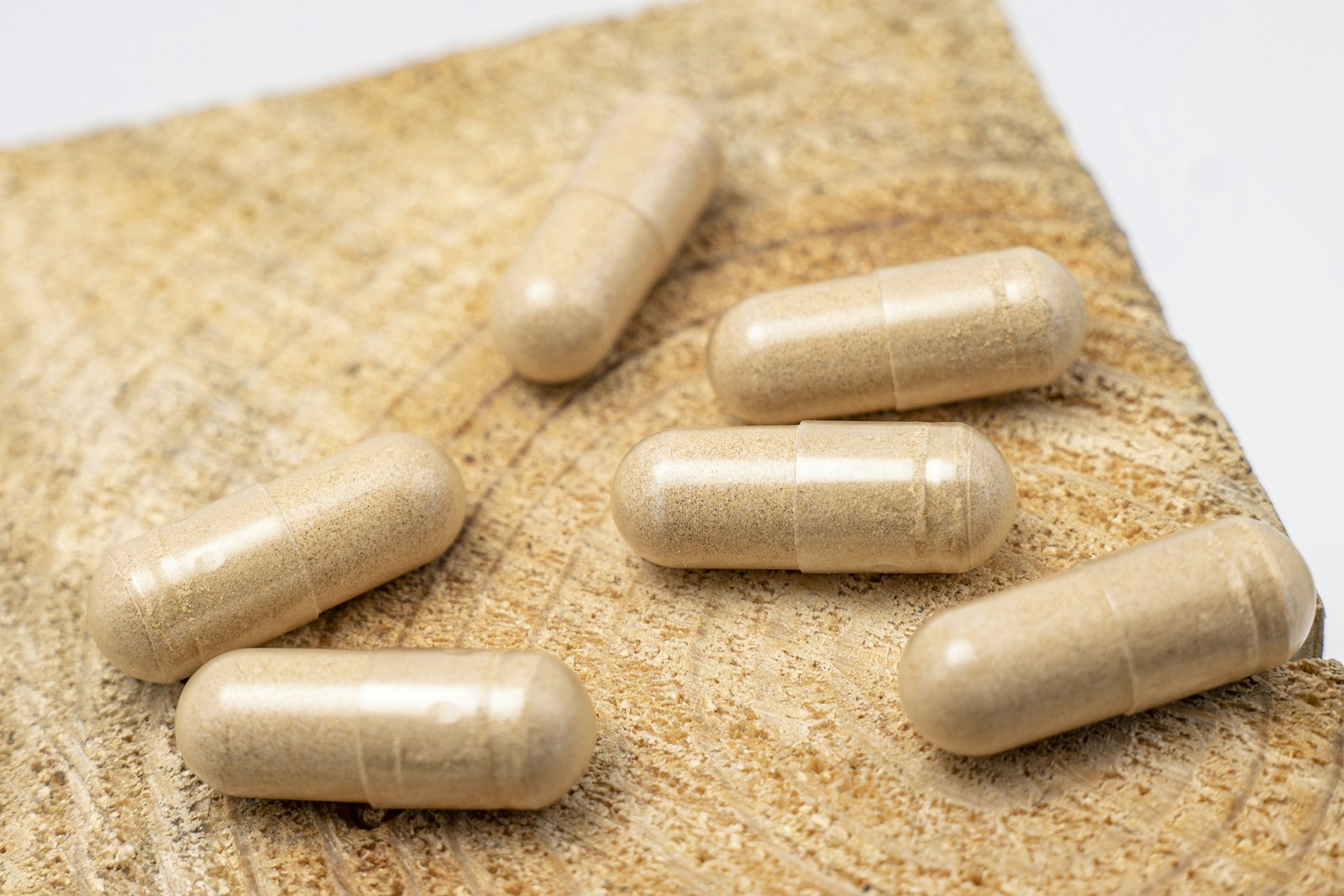
The Key Caveat: Benefits Are Strongest When You're Actually Deficient
It's worth being direct about this: most rigorous trials show that B12 supplementation dramatically helps people who are deficient, but produces little measurable benefit in people who already have adequate levels. If your diet includes regular animal products and your labs are normal, mega-dosing B12 is unlikely to give you a noticeable energy or mood boost — the marketing claims often outpace the evidence in this specific scenario.
Who Is Most Likely to Benefit From Supplementing
B12 supplementation is genuinely valuable for specific populations rather than a universal energy hack.
Vegans and strict vegetarians, since B12 occurs almost exclusively in animal-derived foods.
Adults over 50, because stomach acid production naturally declines with age, impairing the release of B12 from food proteins.
People taking metformin or long-term proton pump inhibitors, both of which are well-documented to reduce B12 absorption.
Anyone with pernicious anemia, celiac disease, Crohn's disease, or a history of gastric bypass or bariatric surgery.
Pregnant and breastfeeding individuals, who have elevated B12 requirements to support fetal and infant neurological development.
Find a High-Quality B12 Supplement
Compare methylcobalamin and cyanocobalamin formulas in sublingual, capsule, and liquid forms from trusted supplement brands.
Shop B12 Supplements →
Typical Dosing: Forms, Amounts, and What They Mean
B12 supplements come in a few chemical forms, and understanding the difference helps you choose wisely. Cyanocobalamin is the most stable, least expensive, and most studied synthetic form; the body converts it to active forms as needed. Methylcobalamin and adenosylcobalamin are 'active' coenzyme forms often marketed as more bioavailable, though head-to-head evidence of superiority in healthy people is limited.
Recommended dietary allowances are modest — around 2.4 mcg daily for most adults — but therapeutic doses for correcting deficiency are often far higher, ranging from 500 to 5,000 mcg orally, or delivered via periodic intramuscular injection when absorption is severely impaired.
| Population | Typical Daily Target | Notes |
|---|---|---|
| Healthy adult | 2.4 mcg | Met easily through animal foods or a standard multivitamin |
| Pregnant/breastfeeding | 2.6–2.8 mcg | Higher requirement for fetal neurological development |
| Vegan/vegetarian | 25–100 mcg (or B12-fortified foods) | Diet alone rarely supplies enough without fortification |
| Diagnosed deficiency | 1,000–2,000 mcg oral, or injections | Guided by a physician based on lab severity |
| Age 50+ | 2.4–100 mcg | Higher end often recommended due to reduced absorption |
Sublingual & Liquid B12 Options
Browse sublingual lozenges and liquid drops designed for faster absorption, a popular choice for those managing dietary gaps.
Explore B12 Options on iHerb →Side Effects and Safety Considerations
B12 has one of the best safety profiles of any vitamin. Because it's water-soluble, excess amounts are typically excreted in urine rather than stored to toxic levels, and no tolerable upper intake level has been established by nutrition authorities.
That said, 'very safe' doesn't mean 'zero considerations.' A small percentage of people report mild acne or rosacea flare-ups with high-dose B12, particularly injectable forms. Rare allergic reactions to cobalt (present in the B12 molecule) can occur with injections. High-dose B12 can also mask an underlying folate deficiency by correcting the anemia while leaving neurological damage from folate deficiency to progress unnoticed — a reason lab-based diagnosis matters before self-treating aggressively.
People with kidney disease or Leber's optic neuropathy should consult a physician before high-dose supplementation, and anyone on metformin should have B12 levels periodically checked as standard practice.
Food Sources vs. Supplements
Clams, liver, sardines, trout, salmon, tuna, beef, and fortified nutritional yeast are among the richest natural sources of B12. Dairy and eggs provide smaller but meaningful amounts. For anyone eating animal products regularly with normal digestive function, food alone often suffices.
Supplements become the practical solution when diet, absorption, age, or medication use creates a genuine gap — and a simple blood test for serum B12 (sometimes paired with methylmalonic acid, a more sensitive marker) can clarify whether supplementation is worth pursuing rather than guessing.
Check Your B12 Status Before You Supplement
An at-home lab test can measure your actual B12 levels, taking the guesswork out of whether you need a low-dose maintenance product or a higher therapeutic amount.
Explore At-Home Lab Testing →The Bottom Line
Vitamin B12 is essential, well-studied, and genuinely low-risk — but its biggest benefits are reserved for people who actually need more of it: vegans, older adults, those on interacting medications, and anyone with a diagnosed absorption issue. If that describes you, correcting a deficiency can meaningfully improve energy, nerve function, and blood health. If your levels are already sufficient, focus your supplement budget elsewhere and treat B12 as steady, low-cost insurance rather than a miracle fix.
Consider a B-Complex for Broader Coverage
Since B vitamins work together in energy metabolism, a balanced B-complex is a practical option for those wanting broader nutritional coverage alongside B12.
Shop B-Complex Formulas →From across the network
More from the network on related topics: TestBoostLab · BioOverride · TrainLikeAlpha.