Selenium punches above its weight — a trace mineral that fuels antioxidant enzymes and thyroid hormone conversion, yet one of the easiest to overdo. Here's how to choose the right form, dose, and product without the guesswork.
Why Selenium Deserves a Spot on Your Supplement Shelf
Selenium is a trace mineral, meaning your body needs only tiny amounts, but those amounts are non-negotiable. It's a structural component of selenoproteins, including glutathione peroxidase, one of your body's primary antioxidant enzymes, and the deiodinase enzymes that convert inactive thyroid hormone (T4) into its active form (T3). Without adequate selenium, thyroid metabolism slows and oxidative stress climbs.
Selenium status also matters for immune resilience and reproductive health, and there's ongoing research interest in its role in supporting healthy aging and cellular defense. The tricky part is the dose-response curve: selenium has one of the narrowest safety margins of any mineral supplement, so more is not better. Getting the right form and the right amount matters more here than with almost any other nutrient.
Who Actually Needs a Selenium Supplement
Most people eating a varied diet with seafood, eggs, or a couple of Brazil nuts a week meet their selenium needs without trying. But certain groups run a real risk of falling short.
- People with autoimmune thyroid conditions (like Hashimoto's), where selenium supports healthy thyroid antibody levels
- Those following strict plant-based diets grown in selenium-poor soil regions
- People with digestive absorption issues, including Crohn's disease or post-bariatric surgery status
- Individuals under high oxidative or immune stress who want extra antioxidant support
- Anyone whose diet rarely includes seafood, organ meats, or nuts
Selenium Forms, Ranked by Bioavailability
Not all selenium is created equal. The form dictates how well it's absorbed, how it's stored in the body, and how gentle it is on your stomach.
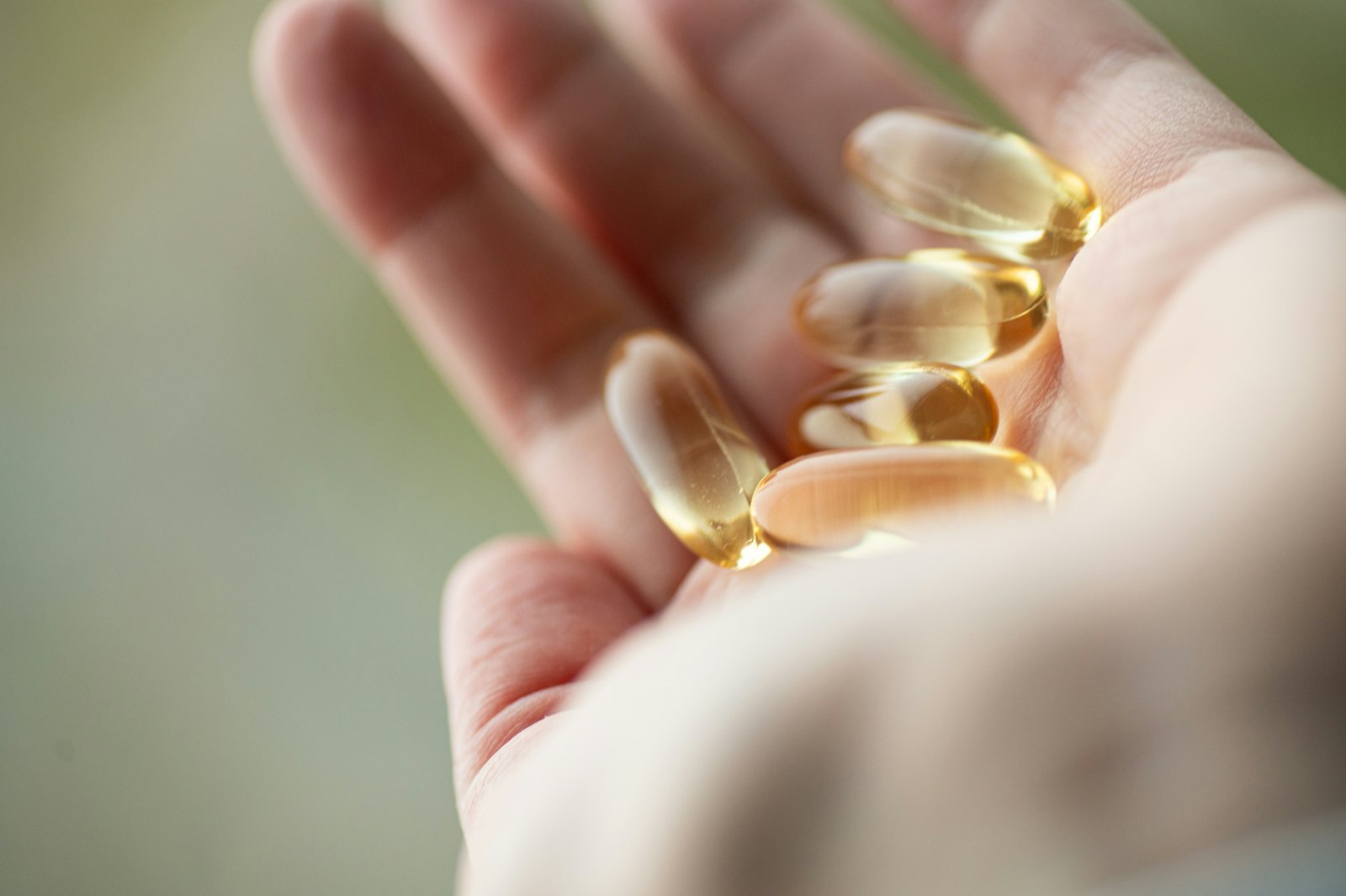
- Selenomethionine (organic form) — the gold standard; found naturally in food and absorbed efficiently, with good tissue retention
- Selenium-enriched yeast — a whole-food-style source rich in selenomethionine, often used in clinical research
- Sodium selenite (inorganic form) — absorbed via a different pathway, generally less bioavailable, but useful in some clinical contexts
- Sodium selenate (inorganic form) — well absorbed but excreted faster, offering less storage benefit
- Sodium selenite — commonly found in cheaper multivitamins; effective but slightly harsher on absorption efficiency
How Much Selenium Do You Actually Need
The Recommended Dietary Allowance (RDA) for adults is 55 micrograms (mcg) per day, with slightly higher amounts suggested during pregnancy and lactation. Most quality standalone supplements are dosed between 100 and 200 mcg, which covers dietary gaps without approaching upper limits.
The Tolerable Upper Intake Level (UL) is set at 400 mcg per day from all sources combined, including food. Symptoms of excess intake (selenosis) can include garlic breath odor, brittle hair or nails, gastrointestinal upset, and fatigue. This is why cycling or choosing a moderate 100–200 mcg dose is smarter than reaching for a mega-dose product.
| Selenium Form | Bioavailability | Best For | Typical Dose |
|---|---|---|---|
| Selenomethionine | High | Daily maintenance, general antioxidant support | 100–200 mcg |
| Selenium-enriched yeast | High | Whole-food preference, clinical-style dosing | 100–200 mcg |
| Sodium selenite | Moderate | Budget multivitamins, combination formulas | 50–100 mcg |
| Sodium selenate | Moderate-High | Fast absorption, shorter retention | 50–100 mcg |
What to Look for on a Label
A quality selenium supplement should list the exact chemical form (not just "selenium"), the dose in micrograms, and ideally third-party testing for purity, since trace minerals can carry contamination risk if sourced poorly.
Favor single-ingredient selenium capsules or softgels over sprawling proprietary blends where the actual selenium dose is buried. If you're already taking a multivitamin or thyroid-support formula, check the label first, since selenium is commonly included there and doubling up can push you toward the upper limit.
Selenomethionine 200mcg Softgels
A straightforward, single-ingredient selenomethionine formula is the easiest way to hit an effective daily dose without guesswork or added fillers.
Check Price on Amazon →Selenium for Thyroid & Antioxidant Support
iHerb carries a wide range of internationally sourced selenium formulas, including yeast-bound and selenomethionine options favored in thyroid-support protocols.
Shop iHerb Selenium →Stacking Selenium With Other Nutrients
Selenium works synergistically with other micronutrients rather than in isolation. Iodine and selenium are metabolic partners in thyroid hormone conversion — supplementing one without the other can create imbalances, so anyone addressing thyroid health should look at both together. Vitamin E and selenium share overlapping antioxidant pathways, which is why they're often paired in combination formulas.
Zinc is another common pairing, particularly in immune-support stacks, since both minerals support similar enzymatic and immune functions. If you're building out a broader micronutrient routine, a well-formulated multivitamin with selenium already dosed appropriately can simplify things — just don't add a separate high-dose selenium capsule on top without checking your total intake.
Selenium + Iodine Combination Support
For those specifically targeting thyroid metabolism, a combination formula pairing selenomethionine with iodine reflects how these nutrients function together in the body.
View on Amazon →Our Ranked Picks: Best Selenium Supplements for 2026
Ranking selenium supplements comes down to three factors: form, dose accuracy, and third-party purity verification. Here's how we'd prioritize a shopping shortlist heading into 2026.
- Best overall: A single-ingredient selenomethionine softgel dosed at 200 mcg with third-party testing
- Best for thyroid support: A selenium + iodine combination formula dosed conservatively (100–150 mcg selenium)
- Best whole-food option: A selenium-enriched yeast capsule for those who prefer food-matrix minerals
- Best value: A moderate-dose sodium selenite tablet as part of a broader multivitamin, for those without a specific deficiency concern
Selenium-Enriched Yeast Capsules
If you prefer a food-matrix mineral source over an isolated compound, selenium-enriched yeast delivers selenomethionine in a form closer to what you'd get from diet.
Shop Selenium Yeast →The Bottom Line
Selenium is a small mineral with an outsized job: powering antioxidant defense and keeping thyroid metabolism running smoothly. For most healthy adults, a moderate 100–200 mcg dose of selenomethionine or selenium-enriched yeast covers the gap between diet and daily need without flirting with the upper limit.
Skip the mega-dose products, read labels for the exact chemical form, and if you're already getting selenium from a multivitamin or thyroid formula, do the math before adding a second bottle to your routine. With trace minerals, precision beats potency every time.
From across the network
More from the network on related topics: TestBoostLab · BioOverride · TrainLikeAlpha.