Vitamin E isn't just a single nutrient — it's a family of natural and synthetic forms with very different bioavailability, and picking the wrong one means paying for a supplement your body barely absorbs. Here's how to choose correctly in 2026, backed by dosing science rather than label hype.
Why Vitamin E Still Matters in 2026
Vitamin E gets overshadowed by trendier nutrients like vitamin D or magnesium, but it remains one of the body's primary fat-soluble antioxidants. It protects cell membranes from oxidative stress, supports immune signaling, and plays a quiet but essential role in skin, eye, and cardiovascular health.
Most people get some vitamin E from nuts, seeds, and vegetable oils, yet dietary surveys consistently show that a majority of adults fall short of the recommended intake. The gap isn't usually dramatic, but chronic low intake over years is where a quality supplement earns its keep.
Natural vs. Synthetic: The Form Question
Not all vitamin E is created equal, and this is the single biggest factor separating a good supplement from a mediocre one. Look at the label prefix before you look at the dose.
Natural vitamin E is labeled 'd-alpha-tocopherol' and is derived from plant oils. Synthetic vitamin E is labeled 'dl-alpha-tocopherol' and is manufactured from petroleum-derived isomers. Research on bioavailability suggests the natural d-form is retained and used by the body more efficiently than the synthetic dl-form, which is one reason serious formulators avoid the synthetic version entirely.
- d-alpha-tocopherol = natural, higher bioavailability
- dl-alpha-tocopherol = synthetic, lower retention
- Mixed tocopherols (d-alpha, beta, gamma, delta) = broader antioxidant profile
- Tocotrienols = a less common but promising vitamin E family, often marketed separately
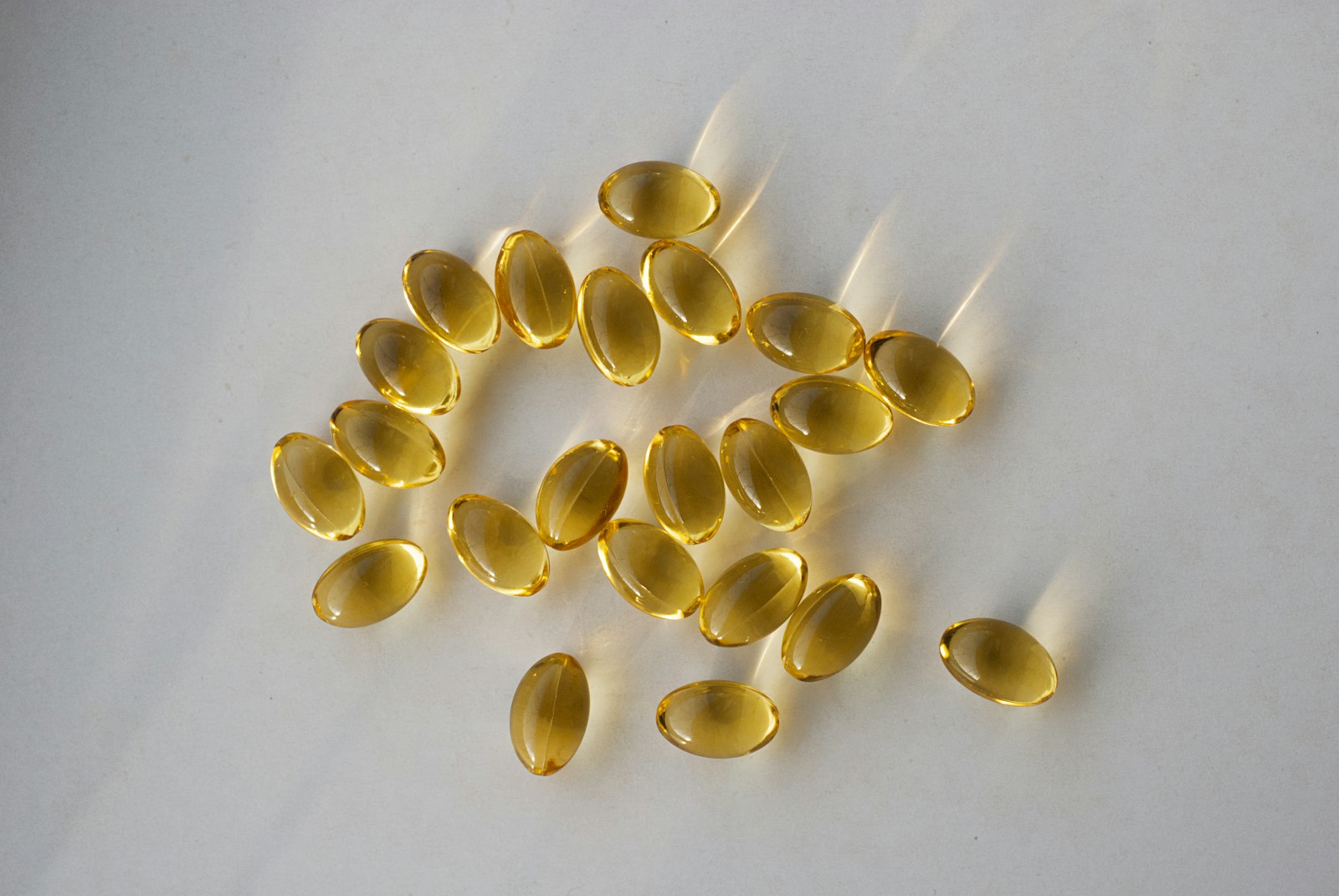
Alpha-Tocopherol vs. Mixed Tocopherols vs. Tocotrienols
Straight alpha-tocopherol is the most studied form and the one referenced in most official intake recommendations. But whole foods never deliver vitamin E in isolation — they deliver a mix of tocopherols and tocotrienols working together.
Mixed tocopherol formulas attempt to mirror that natural balance, including gamma-tocopherol, which some researchers believe has distinct antioxidant properties not fully replicated by alpha-tocopherol alone. Tocotrienols, a structurally different branch of the vitamin E family, are gaining attention in cardiovascular and skin research, though the evidence base is smaller and still developing. For most people, a natural mixed-tocopherol formula offers the best balance of established science and whole-food-like completeness.
Who Actually Needs a Vitamin E Supplement
If none of these apply and your diet already includes regular servings of almonds, sunflower seeds, or olive oil, you may already be meeting your needs through food alone — a good reason to have levels checked before assuming you need to supplement.
- Adults following very low-fat diets, since vitamin E absorption depends on dietary fat
- People with fat malabsorption conditions (such as Crohn's or chronic pancreatitis) who often show measurable deficiency
- Those with limited intake of nuts, seeds, and vegetable oils
- Adults focused on skin, eye, or cardiovascular support as part of a broader wellness routine
- People currently supplementing with high-dose fish oil, who may benefit from added antioxidant support
How Much Vitamin E Do You Actually Need?
The standard adult reference intake for vitamin E is 15 mg (about 22 IU) of natural alpha-tocopherol per day. Supplement doses are often marketed much higher — 200 IU, 400 IU, or more — which sits well above baseline requirements and edges toward what's typically studied for targeted, short-term use rather than daily maintenance.
Because vitamin E is fat-soluble and stored in the body, high-dose supplementation over long periods deserves more caution than a water-soluble vitamin. It's one of the few nutrients where more is not automatically better, and consistently very high intakes have been studied for potential interactions with blood clotting and certain medications.

| Form | Typical Dose | Best For | Notes |
|---|---|---|---|
| Natural d-alpha-tocopherol | 15–30 mg (22–45 IU) | Daily maintenance | Closest to reference intake, high bioavailability |
| Mixed tocopherols (natural) | 100–268 mg (150–400 IU) | Broader antioxidant support | Includes gamma, beta, delta forms |
| Tocotrienols | 50–100 mg | Targeted cardiovascular/skin support | Smaller evidence base, distinct mechanism |
| Synthetic dl-alpha-tocopherol | Varies, often high IU | Budget formulas | Lower retention, generally not preferred |
Top Vitamin E Picks for 2026
Below are the supplement categories worth prioritizing based on form quality, dosing transparency, and how well they align with current research rather than marketing hype.
Start With a Natural d-Alpha Softgel
A straightforward natural-source d-alpha-tocopherol softgel at a sensible 180–268 mg (270–400 IU) dose covers daily needs without excessive megadosing.
Shop Natural Vitamin E →Go Broader With Mixed Tocopherols
For a more whole-food-like antioxidant profile, a mixed tocopherol formula adds gamma, beta, and delta forms alongside alpha-tocopherol.
Shop Mixed Tocopherols →Explore Tocotrienols for Targeted Support
iHerb carries a wide range of tocotrienol-based vitamin E complexes, ideal if you're specifically researching this emerging branch of the vitamin E family.
Browse on iHerb →Topical Vitamin E for Skin Use
Pure vitamin E oil remains a staple for topical skin support, separate from oral supplementation, and pairs well with a daily softgel routine.
Shop Vitamin E Oil →Smart Shopping Checklist
A great vitamin E supplement doesn't need a long ingredient list or dramatic marketing claims. It needs the right form, an honest dose, and a manufacturer transparent enough to tell you exactly what's inside the softgel.
- Confirm the label reads d-alpha-tocopherol, not dl-alpha-tocopherol
- Check whether it's a single alpha form or a mixed tocopherol blend
- Match the IU/mg dose to your actual goal — maintenance vs. targeted support
- Look for third-party testing or a certificate of analysis for purity
- Avoid megadoses without a specific, discussed reason to use them
The Bottom Line
Vitamin E is a quiet, foundational nutrient rather than a flashy one — and that's exactly why it's easy to overlook and easy to shortchange with a low-quality product. Choosing a natural, appropriately dosed form (alone or as part of a mixed tocopherol blend) gives you the antioxidant support the research actually backs, without paying for unnecessary megadoses.
Start with your diet, consider your individual risk factors, and let form and dose — not marketing — guide your final pick for 2026.
From across the network
More from the network on related topics: TestBoostLab · BioOverride · TrainLikeAlpha.