Whey protein remains the most researched, most effective supplement for building and preserving muscle — but not every tub on the shelf deserves your money. Here's a clear-eyed, science-backed ranking of forms, dosing strategies, and the products actually worth buying in 2026.
Why Whey Still Wins the Protein Powder Debate
Walk into any supplement aisle and you'll see dozens of protein powders shouting for attention. Yet whey protein has stayed at the top for one simple reason: it works. Derived from milk during the cheesemaking process, whey delivers a complete amino acid profile with the highest concentration of leucine of any common protein source — the specific amino acid that flips the switch on muscle protein synthesis.
Whey also digests fast. Within 30-60 minutes of drinking a shake, amino acids are already circulating in your bloodstream, which is exactly why it's become the default post-workout choice for lifters, runners, and anyone trying to preserve lean mass while losing fat. In 2026, the category has only gotten more refined, with cleaner label formulations, better-tasting isolates, and lactose-free options that finally don't taste like chalk.
The Three Main Forms — And Which One You Actually Need
Not all whey is created equal. Understanding the three primary forms will save you money and stomach discomfort.
- Whey Concentrate — 70-80% protein by weight, contains some lactose and fat, most affordable, great for general use if you tolerate dairy well.
- Whey Isolate — 90%+ protein, minimal lactose and fat, filtered further for purity, ideal for cutting phases or lactose-sensitive users.
- Whey Hydrolysate (Hydrolyzed) — pre-digested for the fastest absorption, gentlest on digestion, typically pricier and used by athletes wanting rapid post-training uptake.
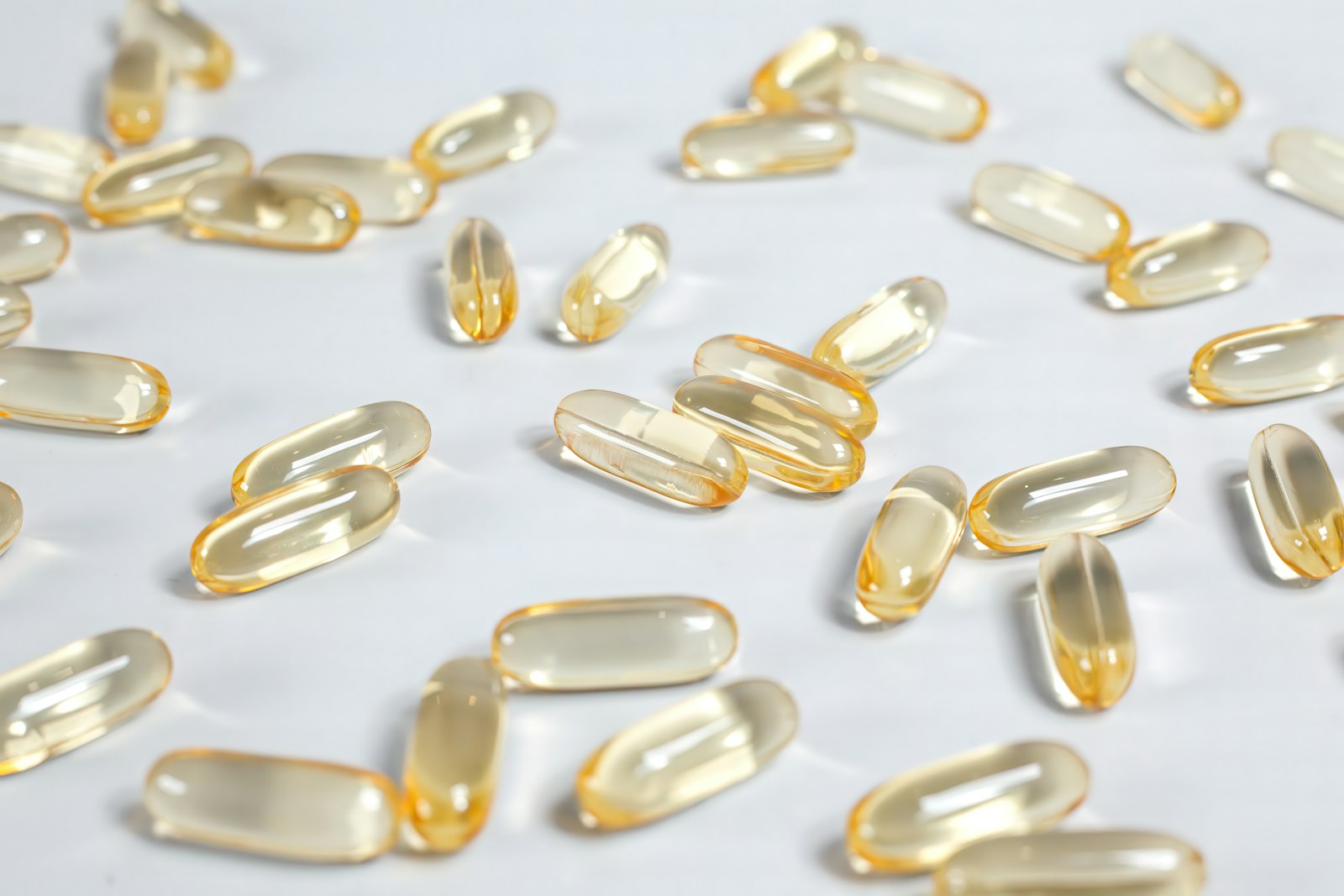
What About Whey Protein Isolate vs. Concentrate for Weight Loss?
If fat loss is the goal, isolate generally edges out concentrate because it packs more protein per scoop with fewer calories from carbs and fat. But concentrate isn't 'bad' — it's simply less refined, and for many people the price difference isn't worth chasing marginal gains unless lactose intolerance is a real issue.
Who Actually Needs a Whey Protein Supplement?
Whole foods should always be the foundation of your protein intake. But supplementation earns its place for specific situations.
- Strength trainers and bodybuilders needing 1.6-2.2g protein per kg bodyweight who can't hit that target through meals alone.
- Endurance athletes needing rapid post-session recovery without a heavy meal.
- Busy professionals who skip meals and need a fast, portable protein source.
- Older adults combating age-related muscle loss (sarcopenia), where higher leucine intake is especially beneficial.
- Anyone in a calorie deficit who needs to protect lean muscle while losing fat.
How Much Whey Protein Should You Take?
Most research supports a single serving of 20-40 grams post-workout or between meals, which typically supplies 3-5 grams of leucine — the threshold believed to maximally stimulate muscle protein synthesis in most adults. Taking more than that in one sitting doesn't appear to provide proportionally greater benefit, since protein synthesis has a ceiling effect per feeding.
Timing matters less than total daily intake. If you're already eating three to four protein-rich meals, a single scoop to fill the gap is plenty. If you're training fasted or have a long gap between meals, splitting intake into two smaller servings can be more practical than trying to force one massive shake.
| Form | Protein % | Lactose Content | Best For |
|---|---|---|---|
| Concentrate | 70-80% | Moderate | Budget, general fitness |
| Isolate | 90%+ | Low | Cutting, lactose sensitivity |
| Hydrolysate | 90%+ | Very Low | Fast recovery, sensitive digestion |
| Blend (Concentrate + Isolate) | 80-90% | Moderate | All-around daily use |
Shop Top-Rated Whey Isolate Powders
Compare best-selling whey isolate tubs with third-party testing, low sugar profiles, and strong customer reviews — filtered by flavor, size, and price.
Browse Whey Isolate on Amazon →What to Check on the Label Before You Buy
Marketing claims are loud; labels tell the truth. Before adding any whey powder to your cart, run through this checklist.
- Protein per scoop should be clearly listed — look for 20g+ per serving as a baseline.
- Third-party testing seals (like NSF Certified for Sport or Informed Sport) matter most for competitive athletes.
- Added sugar content — many 'flavored' powders sneak in more sugar than you'd expect.
- Ingredient list length — shorter, recognizable ingredient lists usually signal a cleaner product.
- Artificial sweetener sensitivity — if you're sensitive to sucralose or stevia aftertaste, look for alternatives sweetened with monk fruit or allulose.
Explore Clean-Label Whey Blends on iHerb
iHerb carries a wide range of grass-fed and minimally processed whey blends with transparent sourcing — a solid option if you prefer shopping outside Amazon.
Shop Whey Blends on iHerb →Our Ranking Framework: How We Evaluate Whey Products
Rather than crowning one 'best' whey protein for everyone, we rank products against four criteria that actually predict real-world satisfaction: protein purity per serving, mixability (no clumping or grit), flavor performance without excess sugar, and value per gram of protein. A $50 tub that mixes smoothly and tastes great will get used consistently — and consistency is what actually builds muscle, not the fanciest label.
Grass-Fed and Hormone-Free Whey — Worth the Premium?
Grass-fed whey often carries a higher price tag and marketing emphasis on omega-3 content and hormone-free sourcing. The protein and amino acid profile is nearly identical to conventional whey, so the premium is more about production ethics and taste preference than a meaningful performance edge. If it fits your budget and values, it's a fine choice — just don't expect dramatically different training results.
Verify Your Baseline Before You Supplement
Not sure if low energy or slow recovery is a protein gap or something else? A quick lab panel can rule out deficiencies before you spend on supplements.
Check Your Bloodwork with EmpowerDx →Final Take: Choosing the Right Whey for Your Goals
If you're cutting or lactose-sensitive, prioritize a whey isolate or hydrolysate with 90%+ protein and minimal carbs. If you're bulking on a budget and tolerate dairy well, a quality concentrate or blend will do the job for less money per gram. Whatever you choose, the best whey protein supplement in 2026 is ultimately the one you'll actually finish the tub of — consistency beats perfection every time.
From across the network
More from the network on related topics: TestBoostLab · BioOverride · TrainLikeAlpha.