Zinc is one of the most quietly essential minerals in the body—cofactor for over 300 enzymes, critical for immune signaling, wound healing, taste, and testosterone production—yet it's also one of the easiest nutrients to get wrong. The wrong form absorbs poorly, the wrong dose crowds out copper, and most store-bought bottles don't disclose which of these two things you're actually getting. Here's how the major forms stack up, who genuinely benefits from supplementation, and which products are worth your money in 2026.
Why Zinc Matters More Than People Realize
Zinc isn't a trendy mineral—it's foundational. It supports DNA synthesis, immune cell development, protein structure, and the enzymatic reactions behind wound repair and sensory function. Low zinc status is associated with more frequent infections, slower healing, hair shedding, and blunted taste and smell. It also plays a direct role in testosterone synthesis and reproductive health, which is why athletes and older adults are frequent supplementers.
The catch is that zinc deficiency is often subclinical—no one symptom screams 'zinc,' which means many people go years without realizing a simple, inexpensive mineral could be closing the gap.
Who Actually Needs to Supplement
Not everyone needs extra zinc, and megadosing is not a shortcut to better immunity—it can backfire. But several groups reliably run low and tend to benefit the most from a targeted supplement.
- Vegetarians and vegans (plant phytates block zinc absorption)
- Older adults (absorption efficiency declines with age)
- Athletes and heavy sweaters (zinc is lost through perspiration)
- People with digestive conditions like Crohn's or celiac disease
- Those recovering from illness, surgery, or slow-healing wounds
- Anyone on long-term diuretics or ACE inhibitors, which can deplete zinc
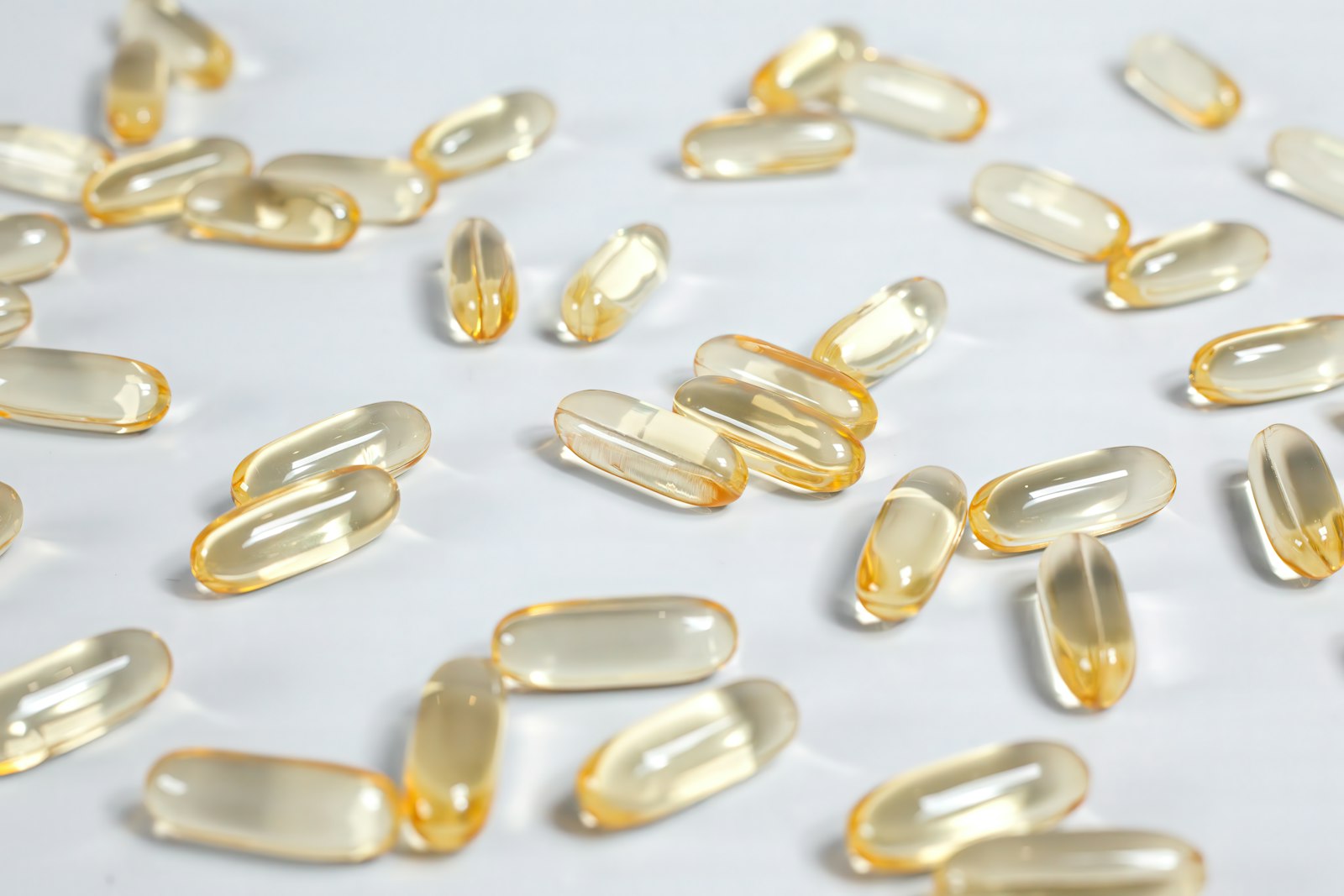
The Forms of Zinc, Ranked by Absorption
Not all zinc is created equal. The compound it's bound to—the 'form'—determines how well your gut actually absorbs and uses it. Here's how the most common forms compare.
| Form | Elemental Zinc | Absorption | Best For |
|---|---|---|---|
| Zinc Picolinate | ~20-21% | High | General daily supplementation, immune support |
| Zinc Bisglycinate (Chelate) | ~20-25% | Very High, gentle on stomach | Sensitive stomachs, daily long-term use |
| Zinc Citrate | ~30% | High, better taste | Lozenges and chewables |
| Zinc Gluconate | ~13-14% | Moderate | Cold-relief lozenges, budget formulas |
| Zinc Oxide | ~15% | Low | Topical use; poor oral bioavailability |
| Zinc Sulfate | ~23% | Moderate, harsher on stomach | Clinical/high-dose deficiency protocols |
How Much Zinc Do You Actually Need
The Recommended Dietary Allowance sits at 11 mg/day for adult men and 8 mg/day for adult women, with pregnancy and lactation pushing that slightly higher. Most well-formulated maintenance supplements land in the 15-30 mg range, which covers typical dietary shortfalls without overshooting.
The tolerable upper limit for adults is 40 mg/day from supplements alone, and staying under that ceiling matters. Chronic high-dose zinc (75-100+ mg daily) is one of the most common causes of acquired copper deficiency, which can show up as fatigue, anemia, or neurological symptoms months down the line. Short-term higher doses (up to 40-50 mg) are sometimes used at the very first sign of a cold for a few days, but this is not a sustainable daily protocol.

The Copper Question Nobody Mentions
Zinc and copper compete for absorption in the gut. If you're taking zinc daily for more than a few weeks, look for a formula that includes a small amount of copper (typically at a 15:1 zinc-to-copper ratio, such as 15 mg zinc to 1 mg copper) or supplement copper separately. This single detail separates a thoughtfully formulated product from a bottle that just lists 'zinc' on the label and calls it done.
Thorne Zinc Picolinate — Clinician-Grade Absorption
A single-ingredient, third-party tested formula using the picolinate form for reliable daily absorption without unnecessary fillers.
Check Price on Amazon →NOW Foods Zinc Glycinate — Gentle, Budget-Friendly Chelate
A well-tolerated bisglycinate chelate form ideal for those who've experienced stomach upset with cheaper zinc oxide or sulfate tablets.
Shop on iHerb →Zinc for Immune Support: What the Timing Looks Like
Zinc's most researched short-term use is at the very onset of upper respiratory symptoms. Lozenge-based formulas using zinc acetate or zinc citrate allow direct contact with throat tissue, which appears to be part of why lozenges are favored over capsules for this specific use case. If you're reaching for zinc reactively during cold season, a lozenge dissolved slowly (not swallowed whole) within the first 24 hours of symptoms is the traditional protocol—paired with staying under the 40 mg daily upper limit.
Life Extension Zinc Lozenges — Fast-Acting Cold Season Support
Zinc acetate lozenges formulated for direct throat contact, a smart addition to any seasonal wellness cabinet.
View on Amazon →Zinc, Testosterone, and Athletic Recovery
Because zinc is a direct cofactor in testosterone synthesis, deficiency (not adequate-but-not-deficient status) has been linked to lower testosterone levels in men. Supplementing corrects this specifically in those who are deficient—it isn't a testosterone booster for someone already replete. Athletes with heavy sweat losses and restrictive diets are the group most likely to see a meaningful benefit here, often alongside magnesium for recovery and sleep quality.
Nutricost Zinc Picolinate — High-Value Daily Formula
A straightforward, third-party tested 50 mg zinc picolinate option for those who want a no-frills, cost-effective daily mineral base.
Check Price on Amazon →Our Ranking Criteria and Final Take
Our rankings favor chelated or organic-acid forms (picolinate, bisglycinate, citrate) over inorganic forms (oxide, sulfate) due to superior absorption and gut tolerance. We also favor formulas that either dose conservatively (15-30 mg) or explicitly pair zinc with copper for long-term use.
Bottom line for 2026: if you want a daily maintenance mineral, reach for a picolinate or bisglycinate formula in the 15-30 mg range, ideally with copper included. If you're targeting a cold at the first sign of symptoms, a zinc acetate or citrate lozenge is the better short-term tool. Either way, respect the 40 mg upper limit and treat zinc as a precision mineral, not a megadose supplement.
From across the network
More from the network on related topics: TestBoostLab · BioOverride · TrainLikeAlpha.